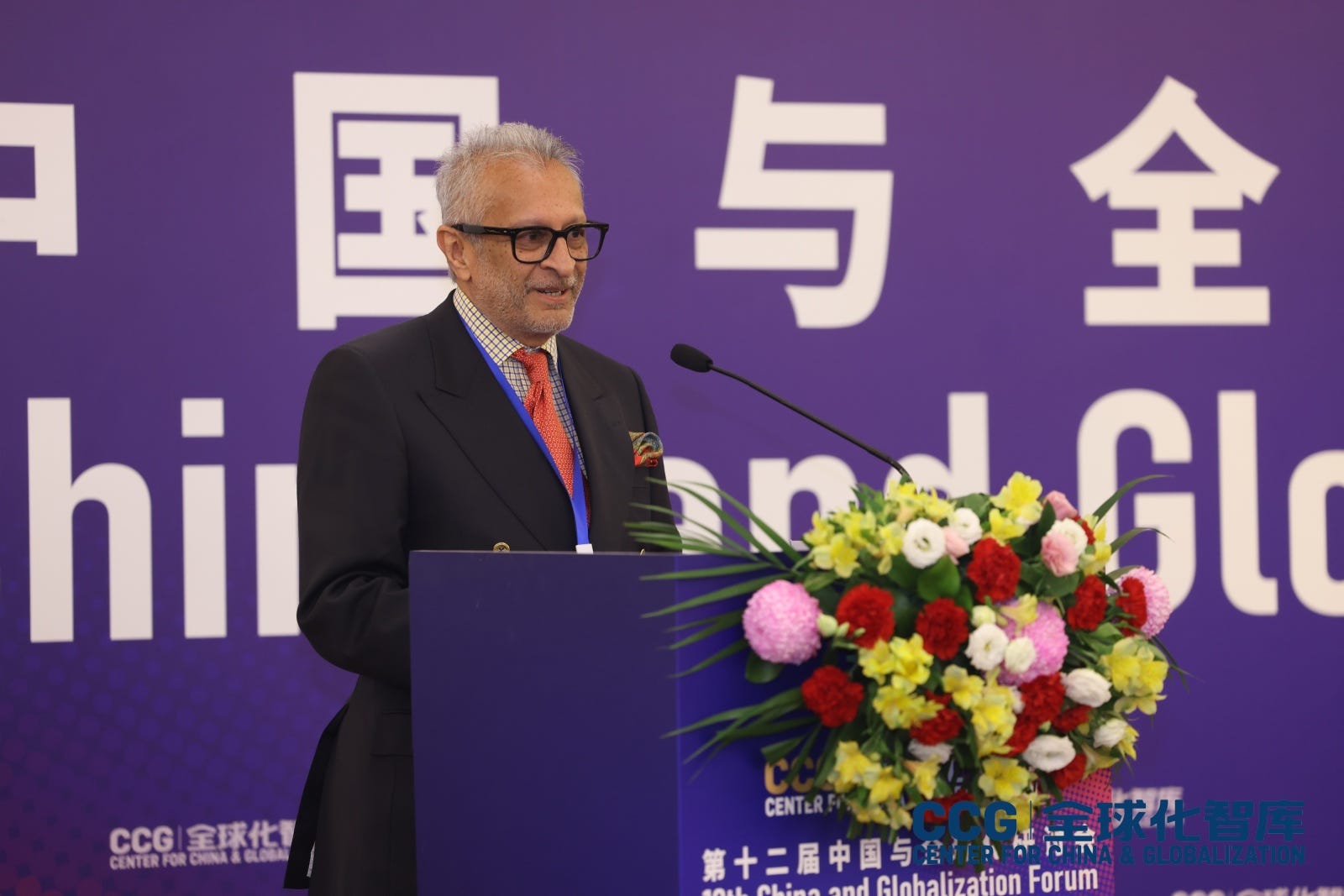
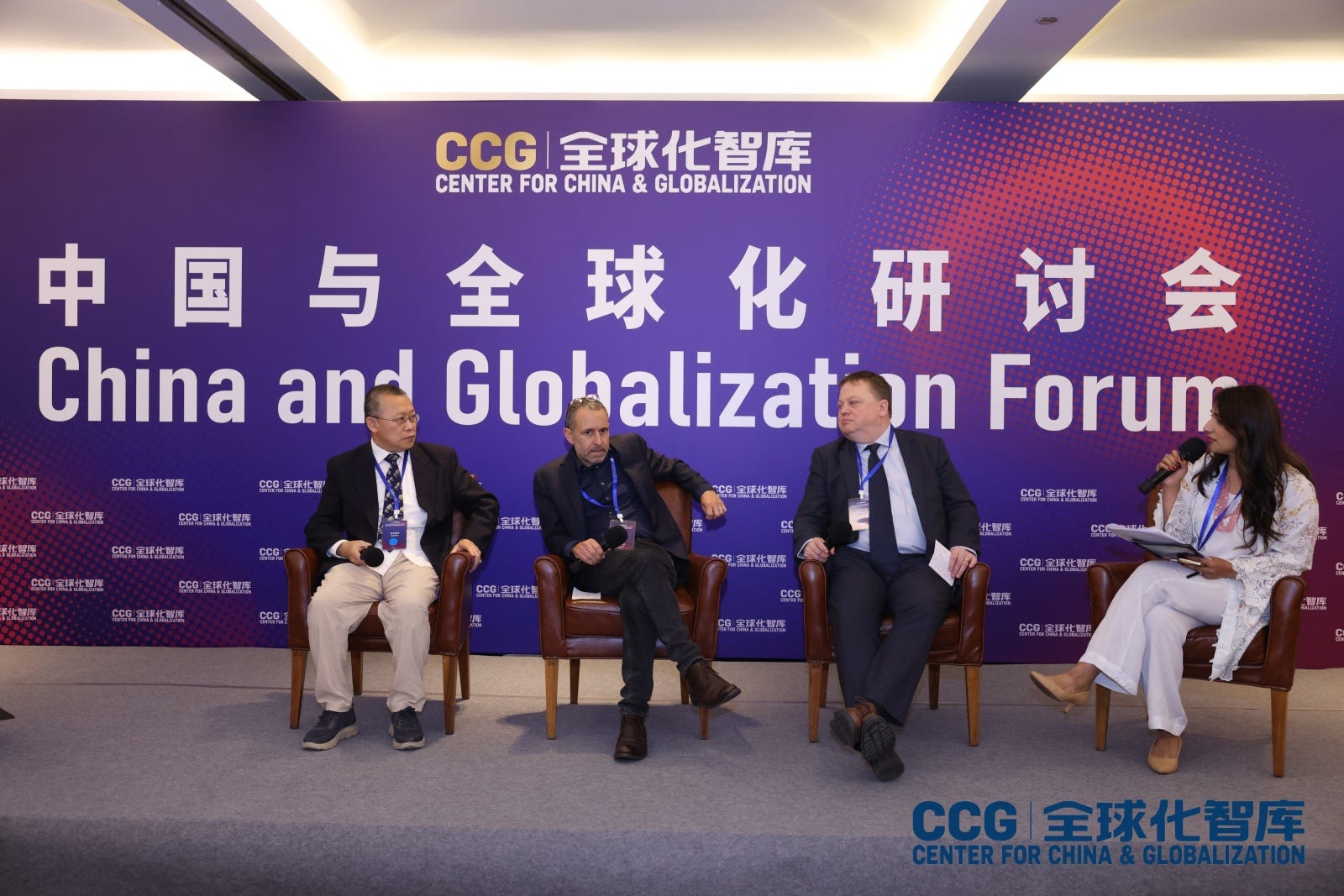
The 12th China and Globalization Forum, hosted by the Center for China and Globalization (CCG), was held in Beijing on Sunday, April 26, 2026.
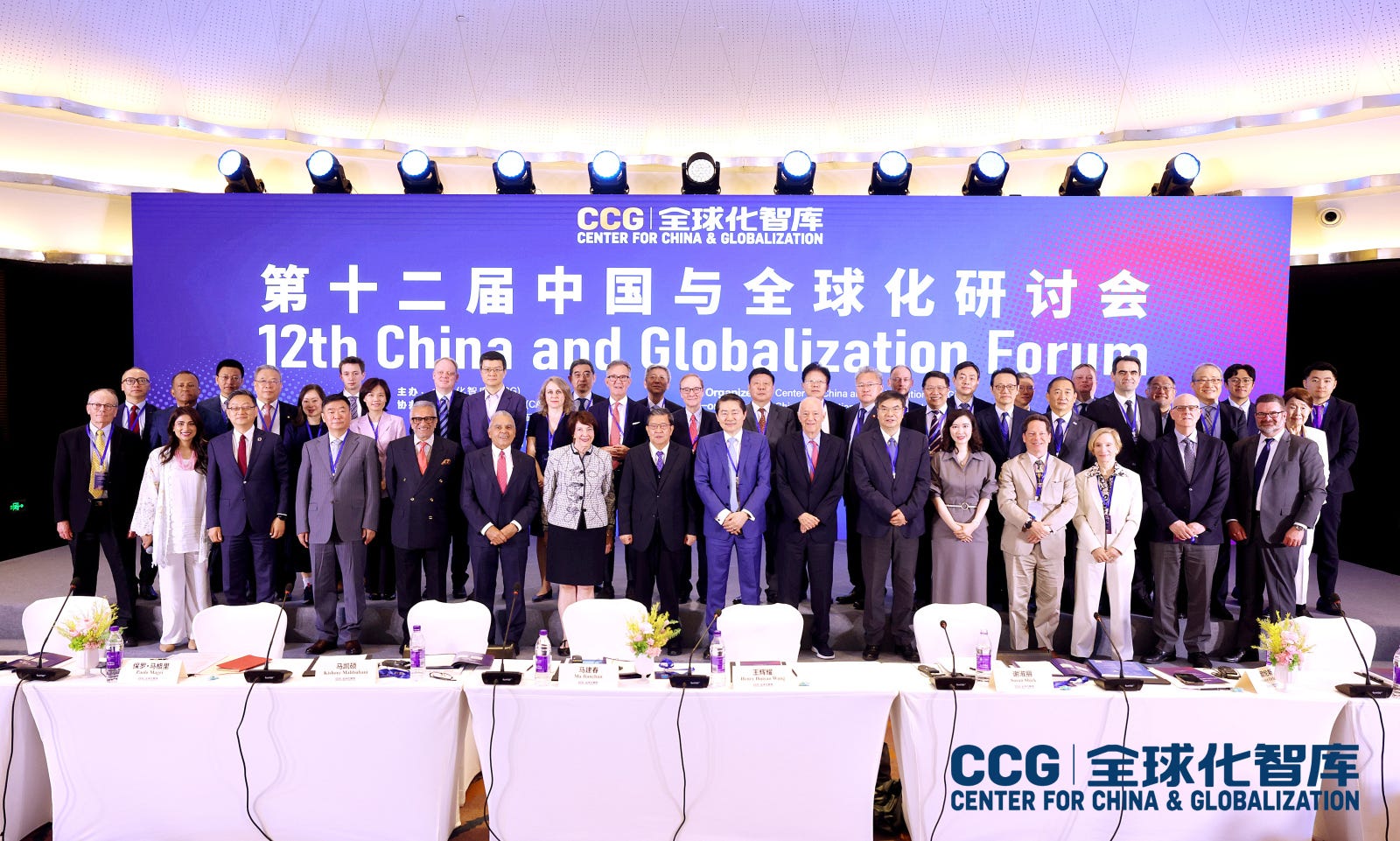
This year’s forum was co-organised by the China Association of International Trade (CAIT), the China Society for World Trade Organization Studies (CWTO), the China-United States Exchange Foundation (CUSEF), and Schwarzman College at Tsinghua University.
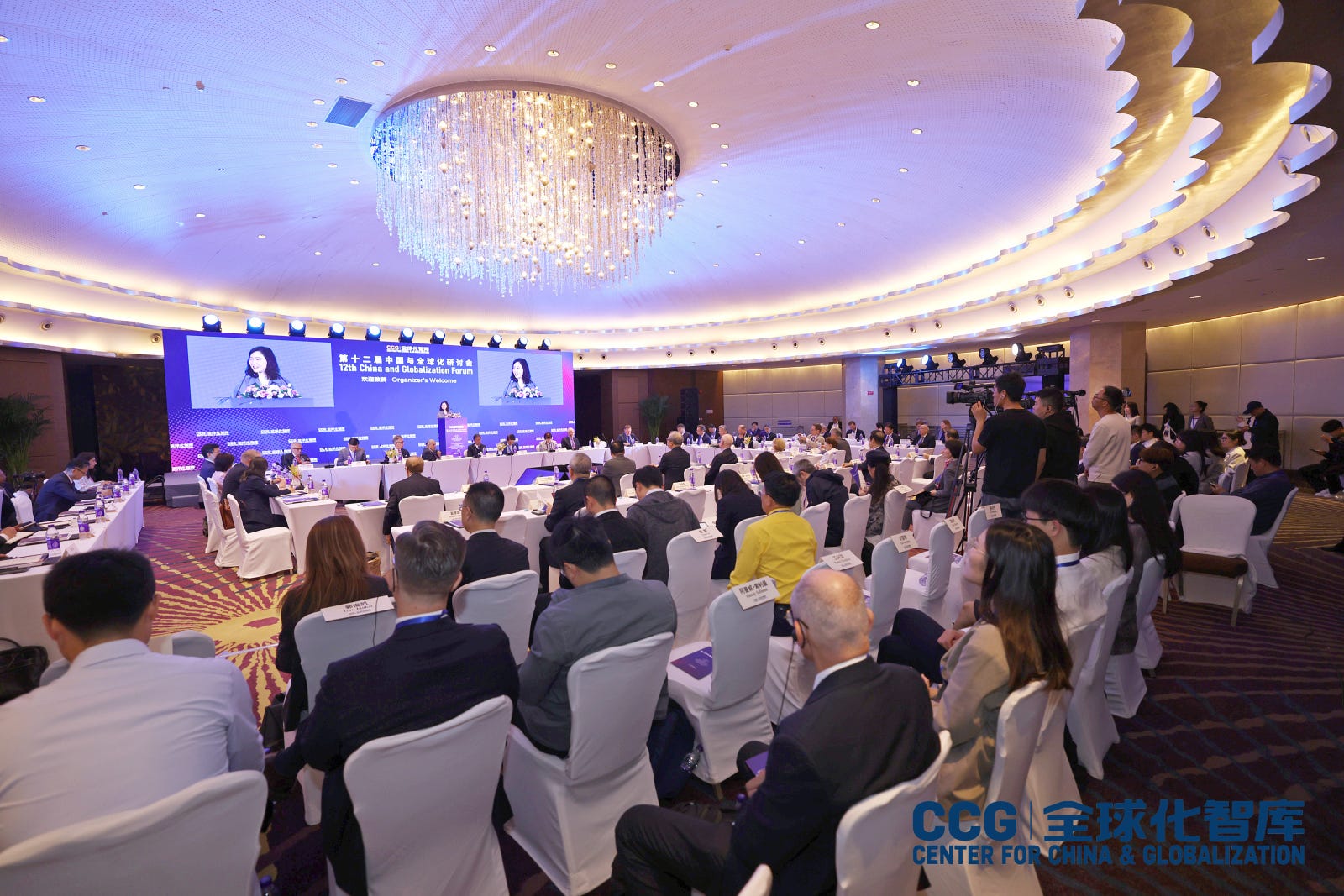
The forum brought together around 200 participants from dozens of countries, including ambassadors to China, representatives of international organisations, scholars, business leaders, policy experts, and journalists from Chinese and international media.
CCG has uploaded the video recording of the opening ceremony and keynote speeches to its official YouTube channel, with recordings of the remaining open-door sessions to follow soon. CCG Update will also publish full transcripts of the forum, so stay tuned.
The forum featured a opening ceremony, five open-door roundtables, a closed-door roundtable, and a dinner discussion.
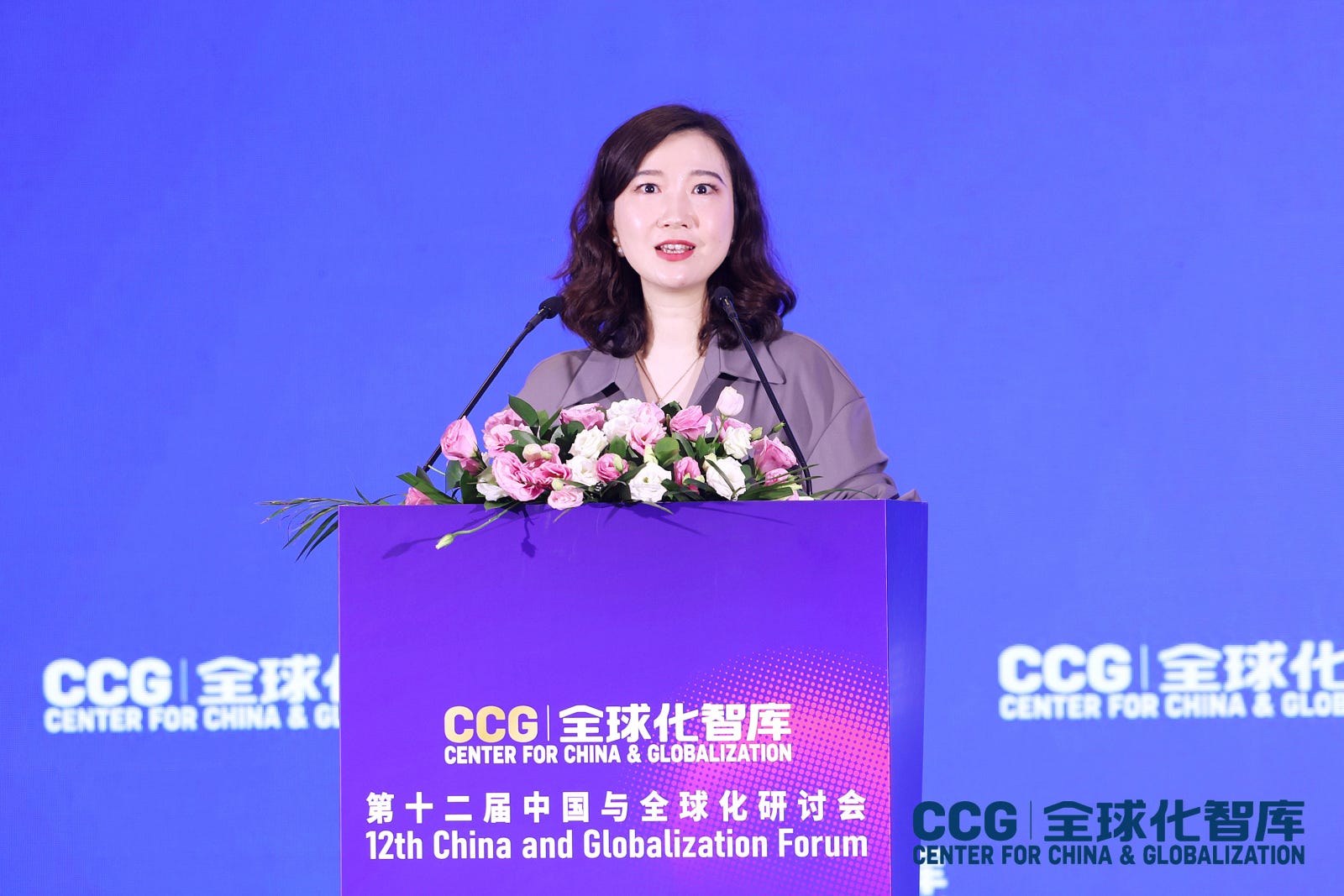
The opening ceremony was moderated by Mabel Lu Miao, Co-Founder and Secretary-General of CCG.
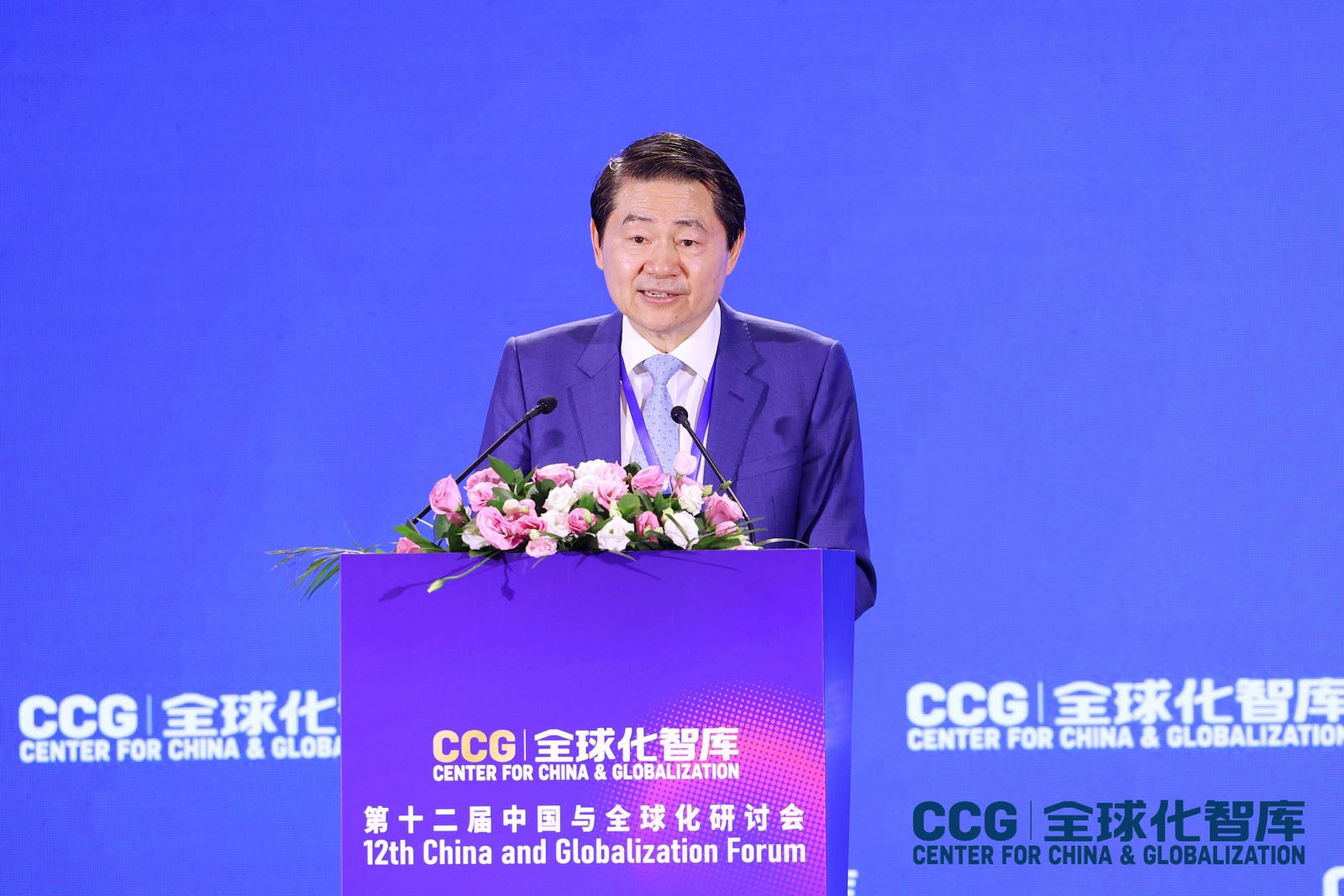
Henry Huiyao Wang, Founder and President of CCG and former Counsellor of the China’s State Council, delivered opening remarks.
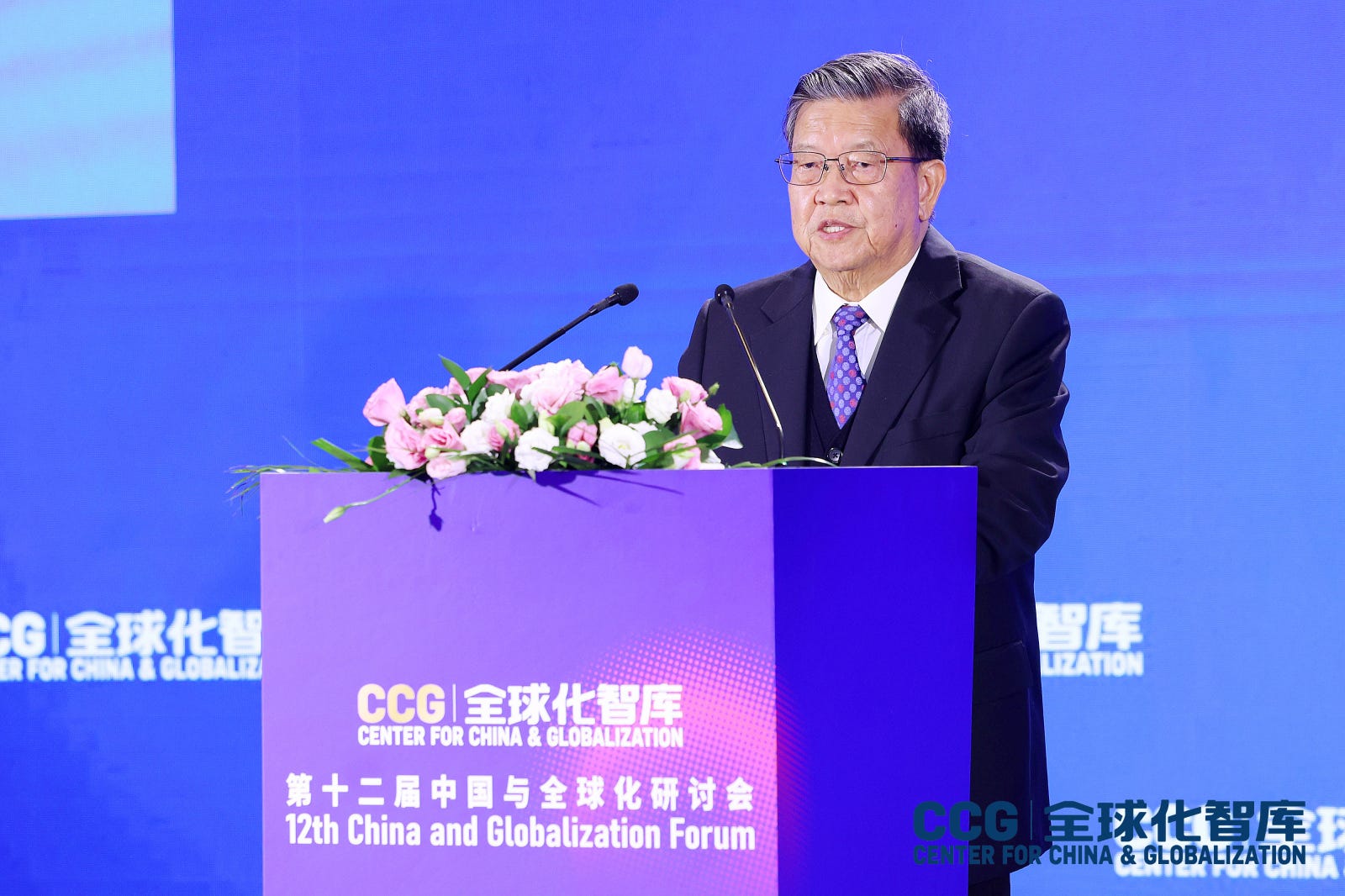
Keynote speakers included Long Yongtu, former Vice Minister of the Ministry of Foreign Trade and Economic Cooperation and former Secretary-General of the Boao Forum for Asia;
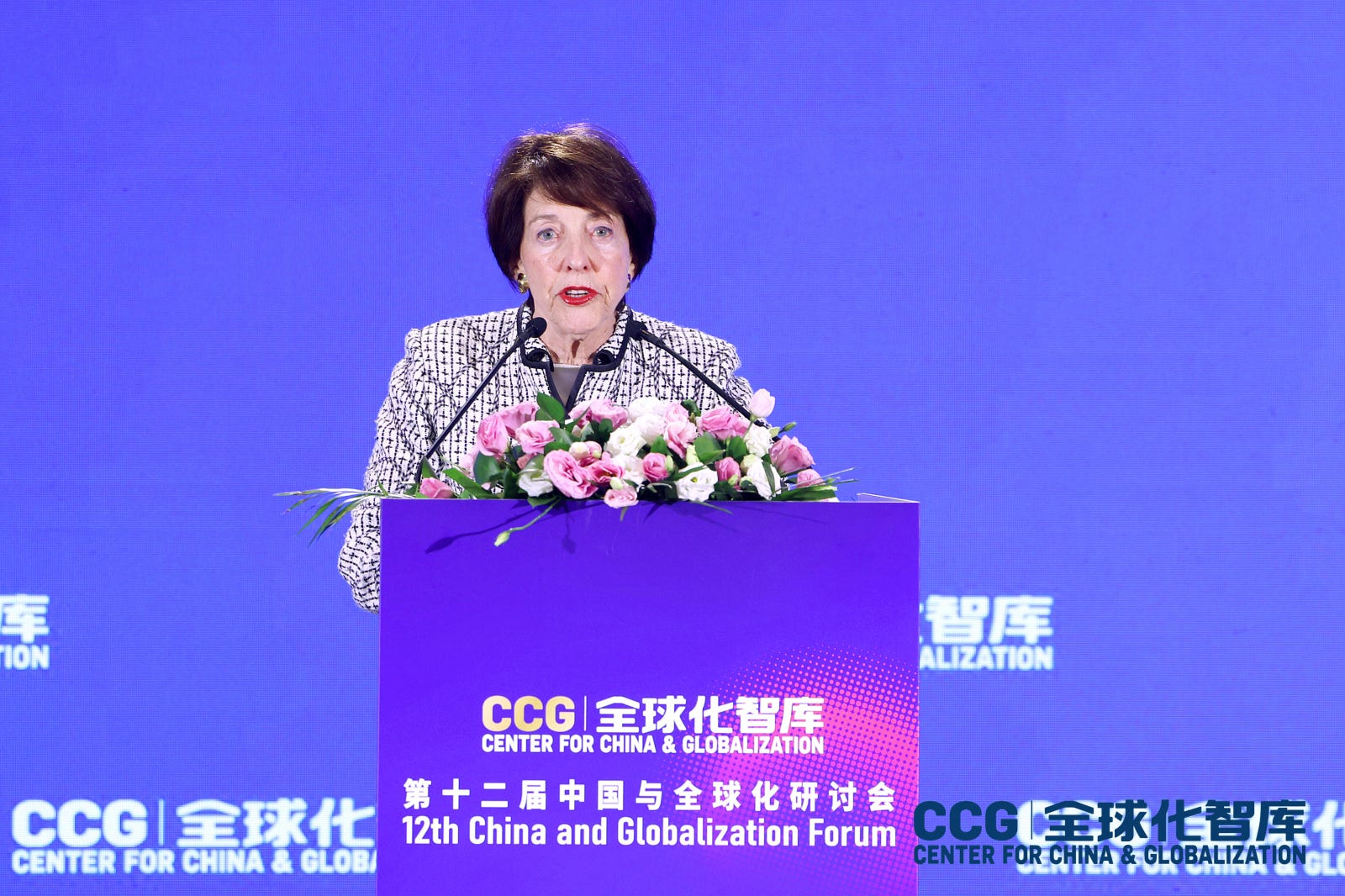
Susan Shirk, research professor at the UC San Diego School of Global Policy and Strategy, director emeritus of its 21st Century China Center, and former Deputy Assistant Secretary of State in the Bureau of East Asia and Pacific Affair, U.S. Department of State;
Steve Orlins, President of the National Committee on United States-China Relations (NCUSCR);
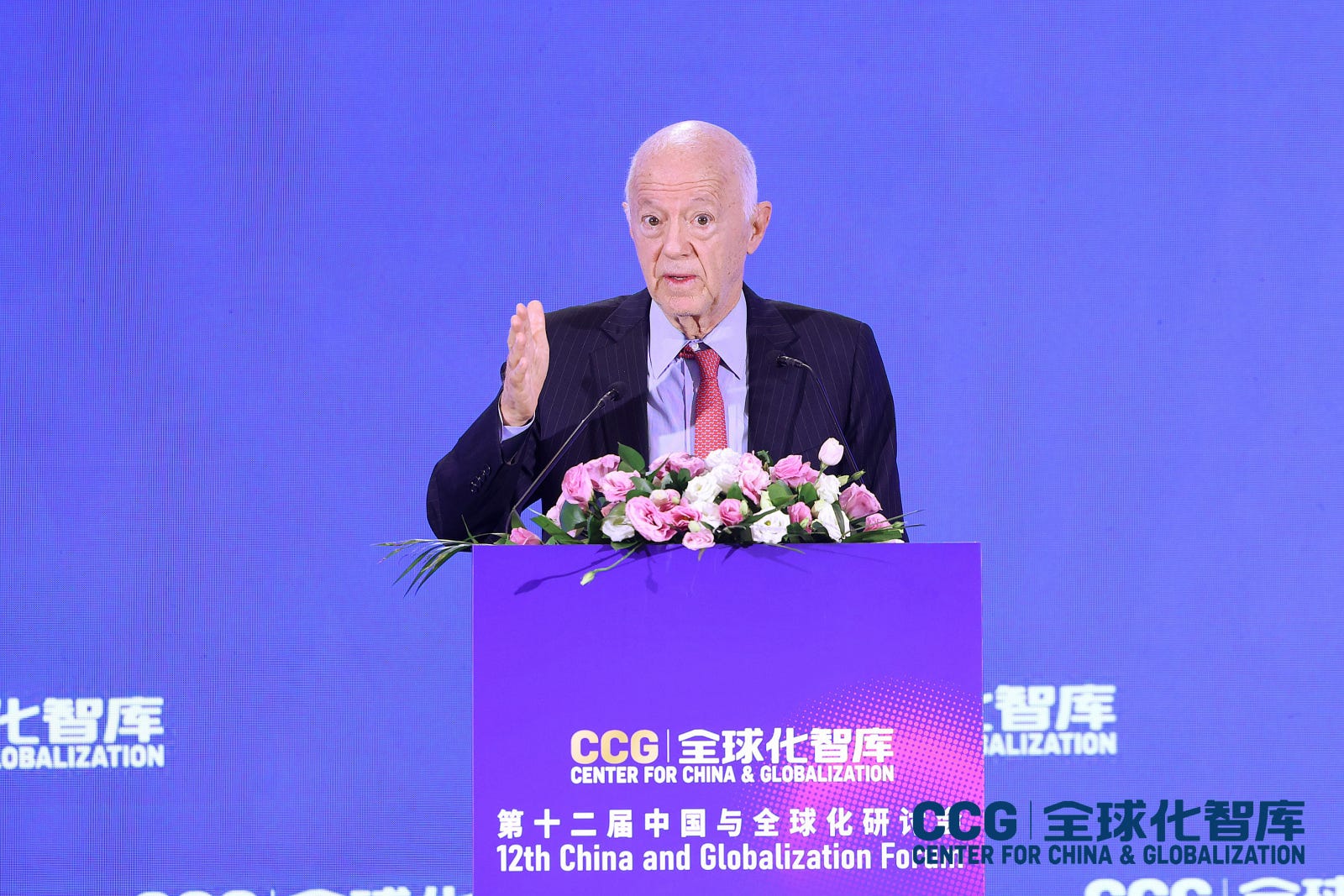
Kishore Mahbubani, Distinguished Fellow at the Asia Research Institute, National University of Singapore and former singaporean ambassador to the United Nations;
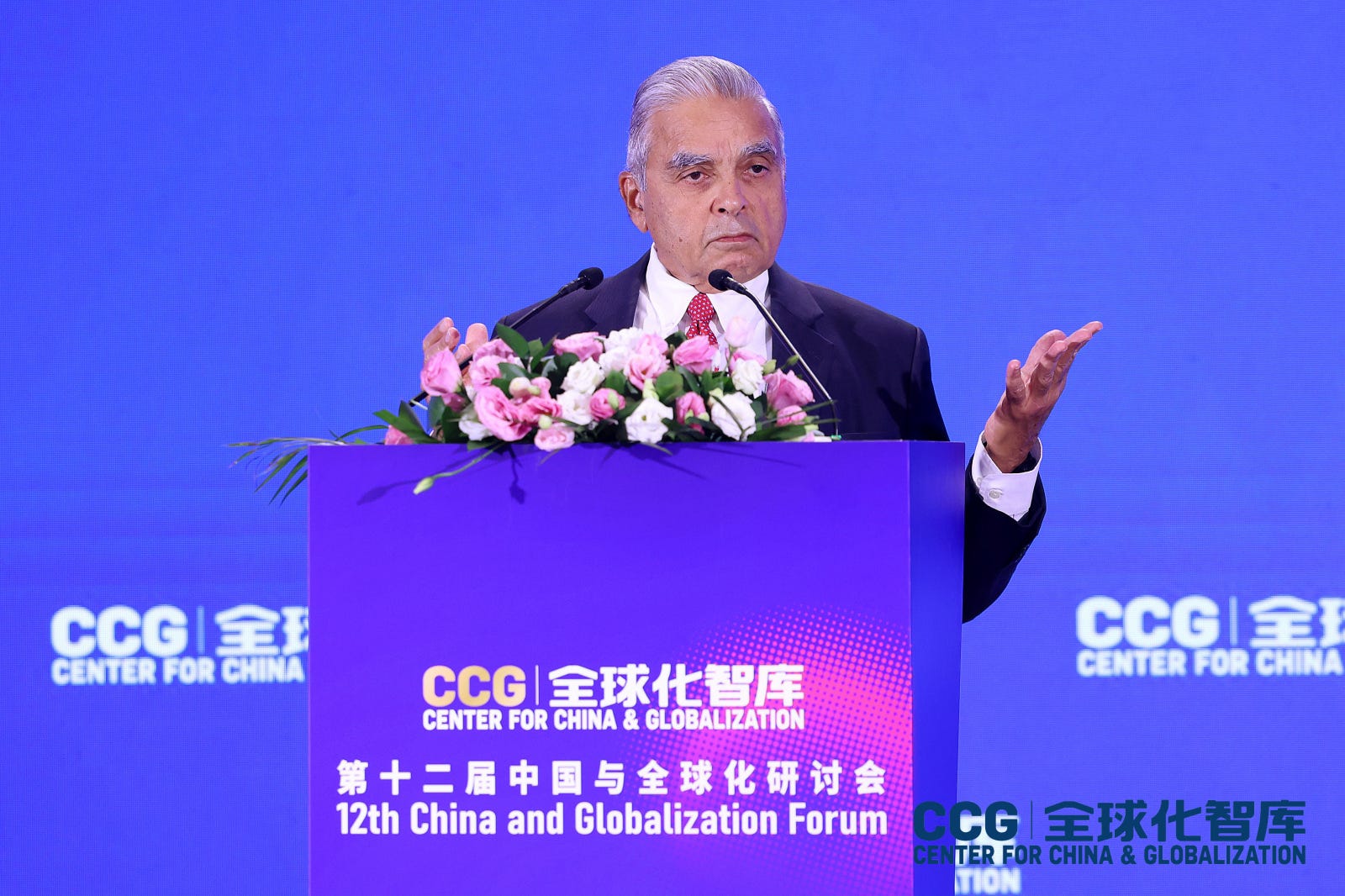
and Paolo Magri, President of the Advisory Board of the Italian Institute for International Political Studies (ISPI).
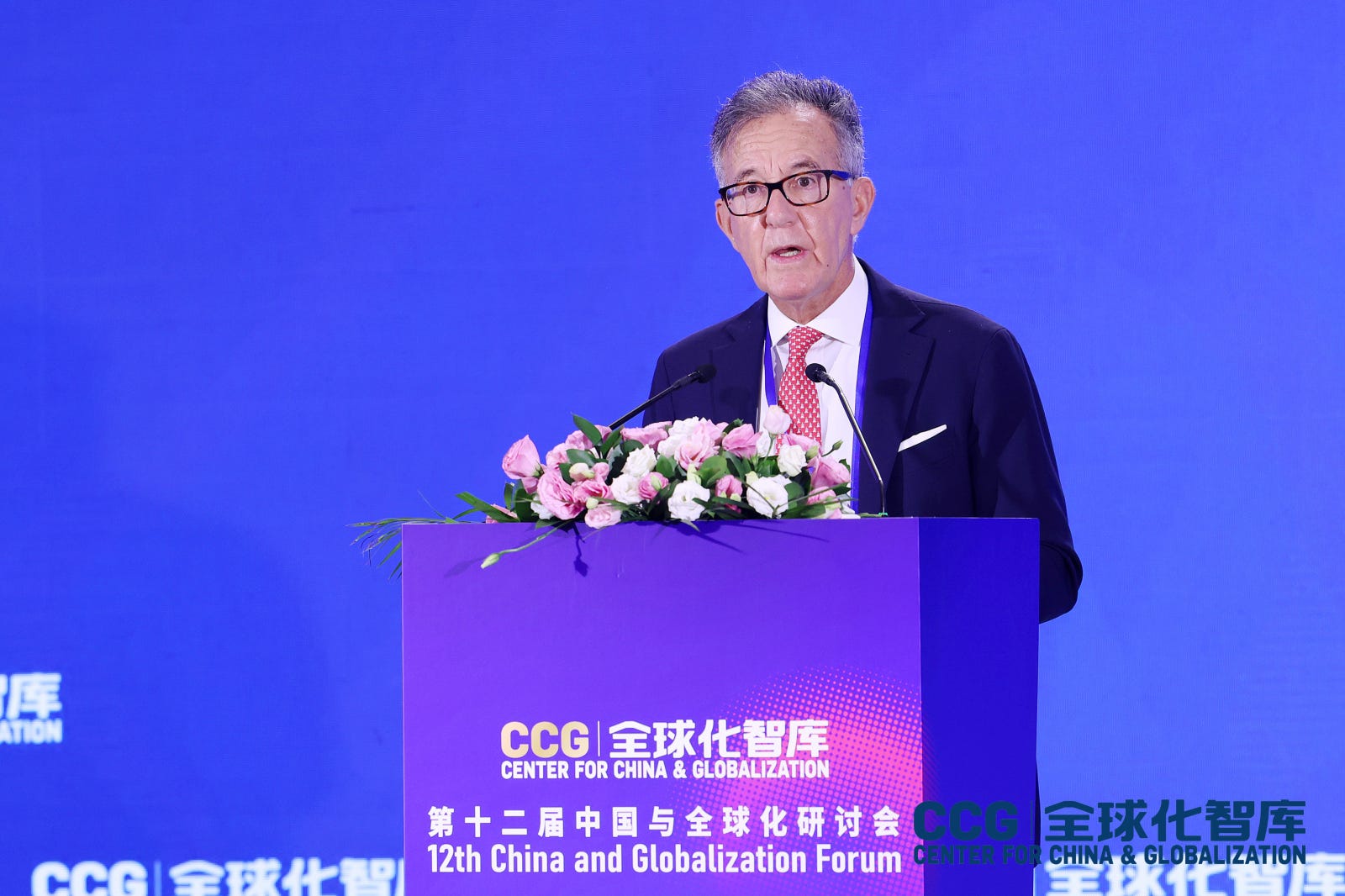
The opening roundtable, themed “Challenges and Prospects for the Global Governance Order,” was moderated by Henry Huiyao Wang.
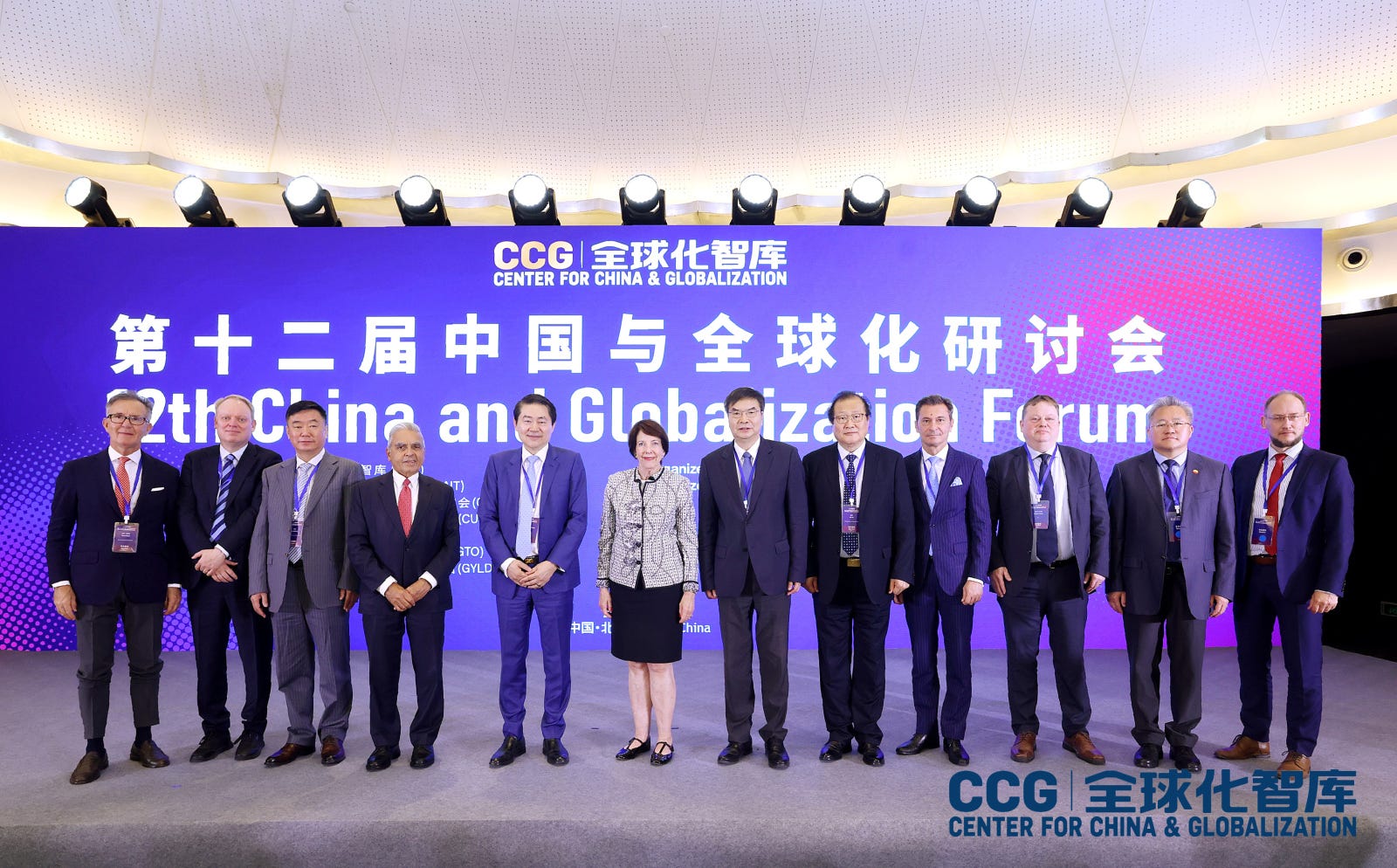
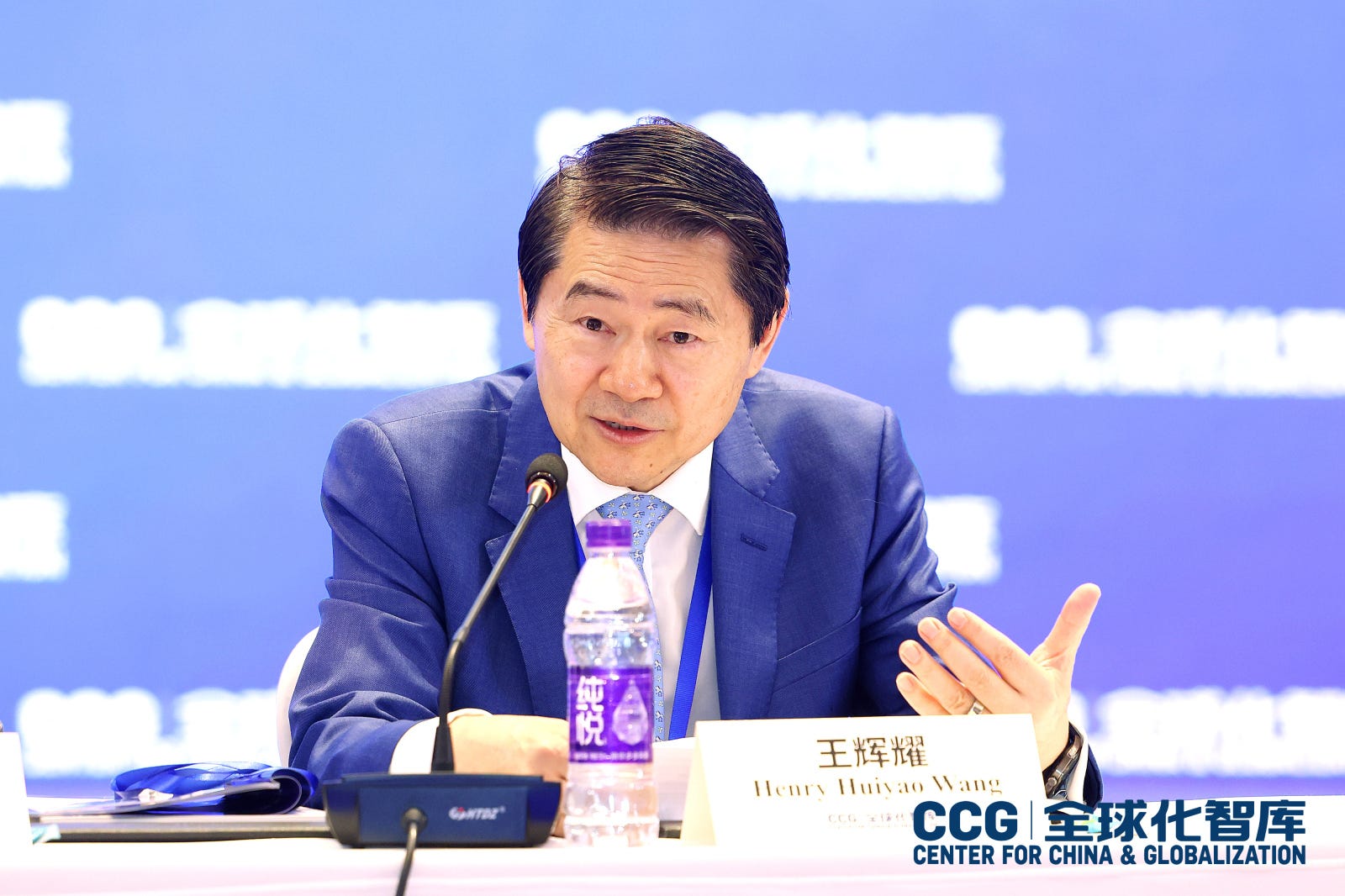
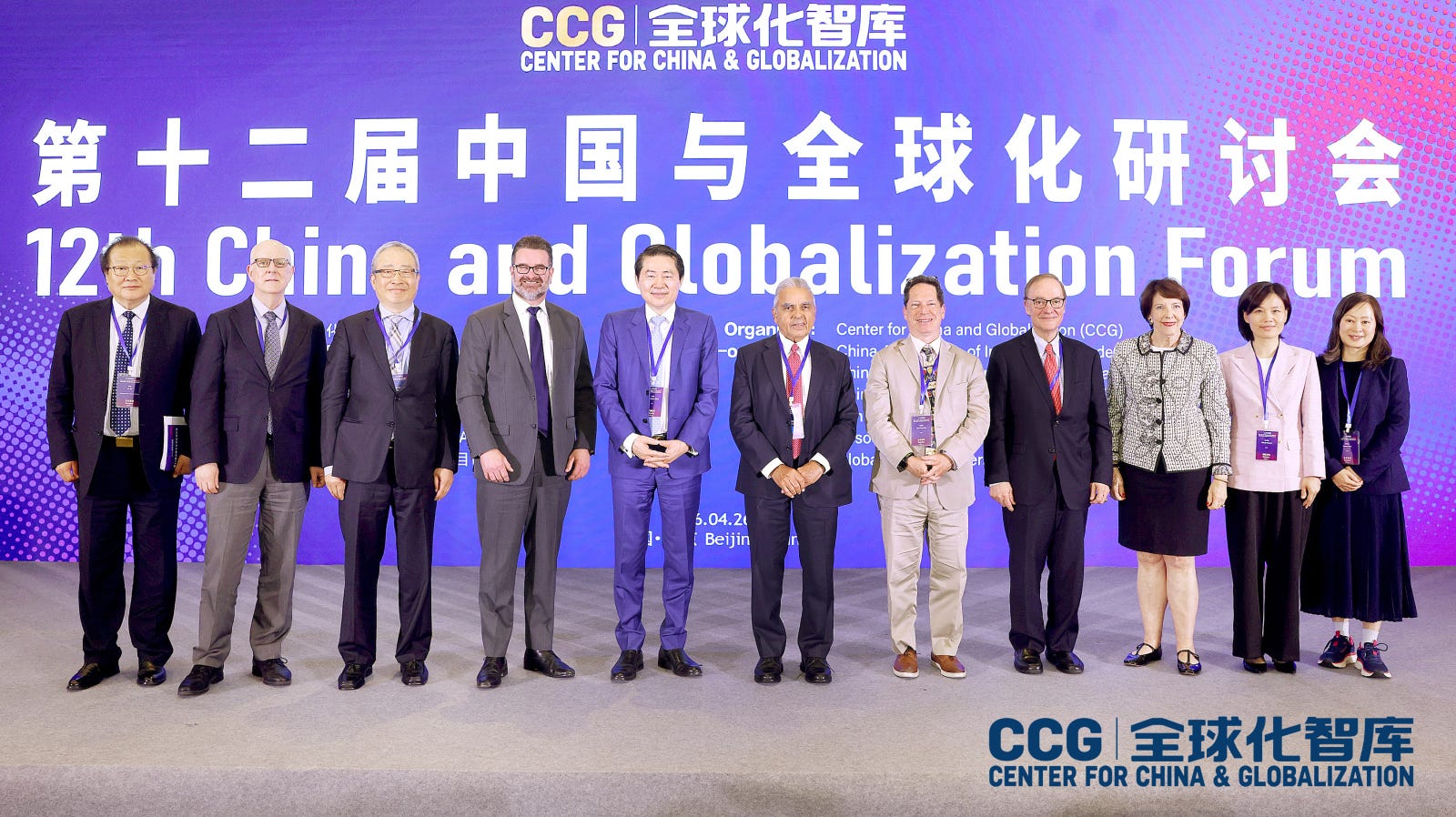
Speakers included Mohamed Amersi, Founder and Chairman of the Amersi Foundation; Da Wei, Director of the Center for International Security and Strategy (CISS) at Tsinghua University; Ma Jianchun, President of the China Society for World Trade Organization Studies (CWTO); Jens Eskelund, President of the European Union Chamber of Commerce in China (EUCCC); Lu Ruquan, President of the Economics and Technology Research Institute at China National Petroleum Corp (CNPC); Paolo Magri; Kishore Mahbubani; Oliver Lutz Radtke, Sinologist, Author and Strategic Advisor; Susan Shirk; Achilles Tsaltas, President of The Democracy and Culture Foundation, Athens; Zhao Zhongxiu, President of the University of International Business and Economics; and Fabian Zuleeg, Chief Executive and Chief Economist of the European Policy Centre (EPC).


The session “China–U.S. Relations: From Engagement to Rivalry” was moderated by Henry Huiyao Wang.
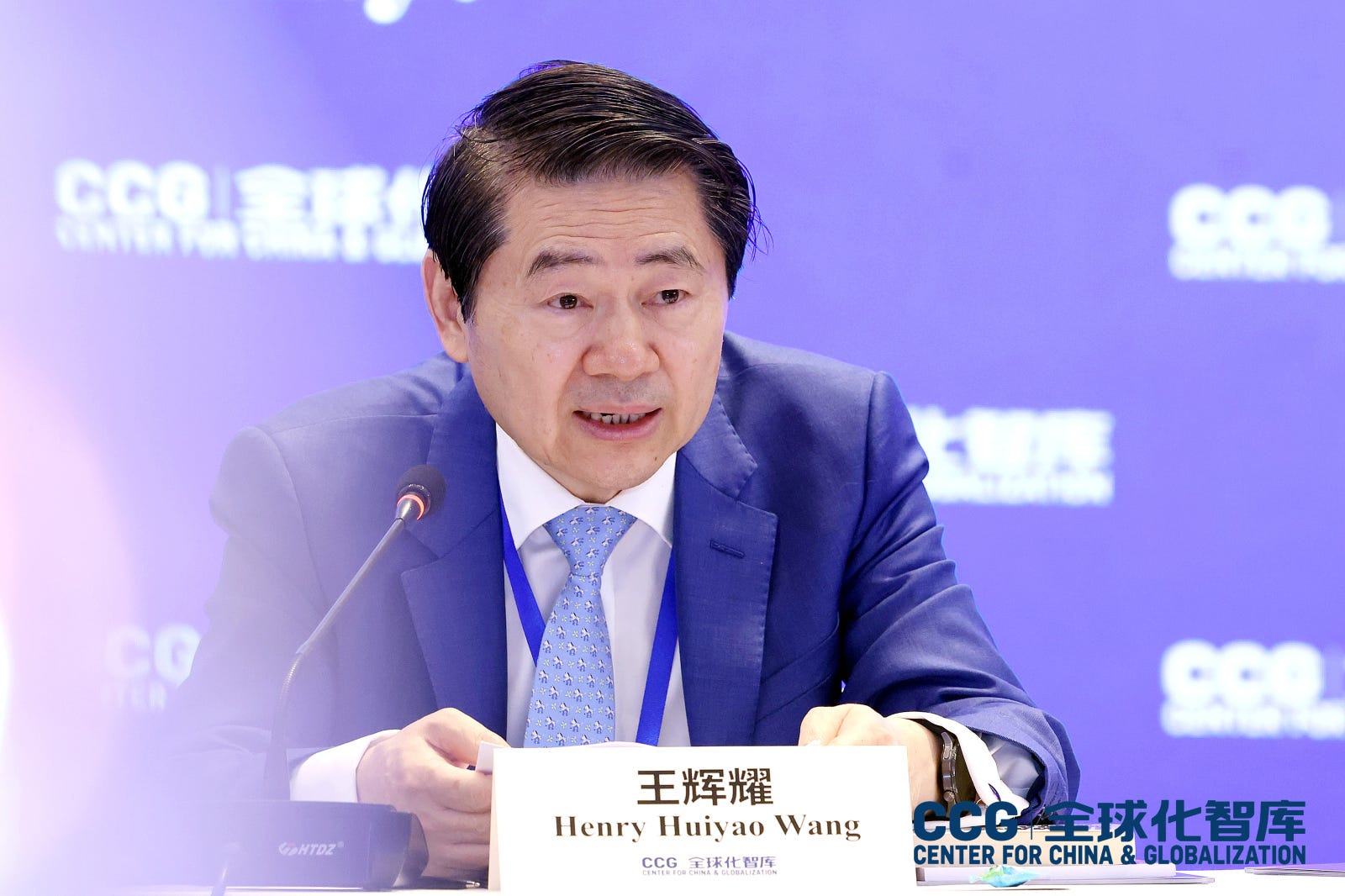
This roundtable brought together Jin Xu, President of the China Association of International Trade (CAIT); Steven Kelly, Chief Trust Officer of the Institute for Security and Technology; Scott Kennedy, Senior Adviser and Trustee Chair in Chinese Business and Economics at the Center for Strategic and International Studies (CSIS); Wendy Kuran, Associate Vice President for Development and Alumni Engagement for Duke Kunshan University (DKU) and Duke in China; Roberta Lipson, Honorary Chair of the American Chamber of Commerce in China and Founder of United Family Healthcare; Steve Orlins; Kishore Mahbubani; David Meale, Head of China Practice at Eurasia Group and former Deputy Chief of Mission at the U.S. Embassy in China; Manuel C. Menendez, Founder and CEO of MCM Holdings Group; Susan Shirk; Tammy Tam, Publisher of the South China Morning Post; Zhang Xiaoyan, Vice President of the China Center for Information Industry Development (CCID); and Zhu Hong, former Commercial Minister-Counselor at the Embassy of China in the United States.


The “China–U.S. Youth Roundtable: A Model for China–U.S. Youth Exchanges” roundtable, moderated by Mabel Lu Miao.
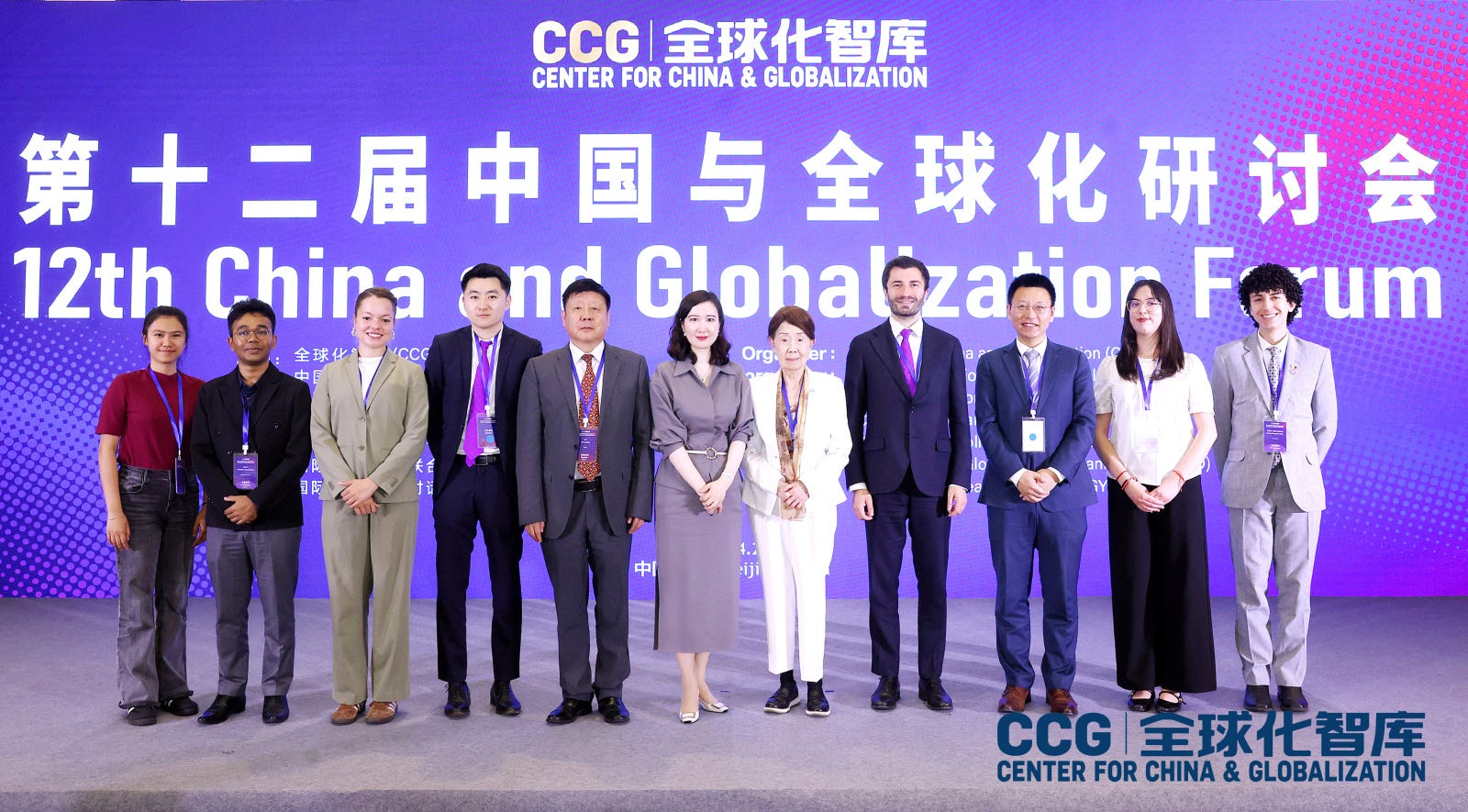
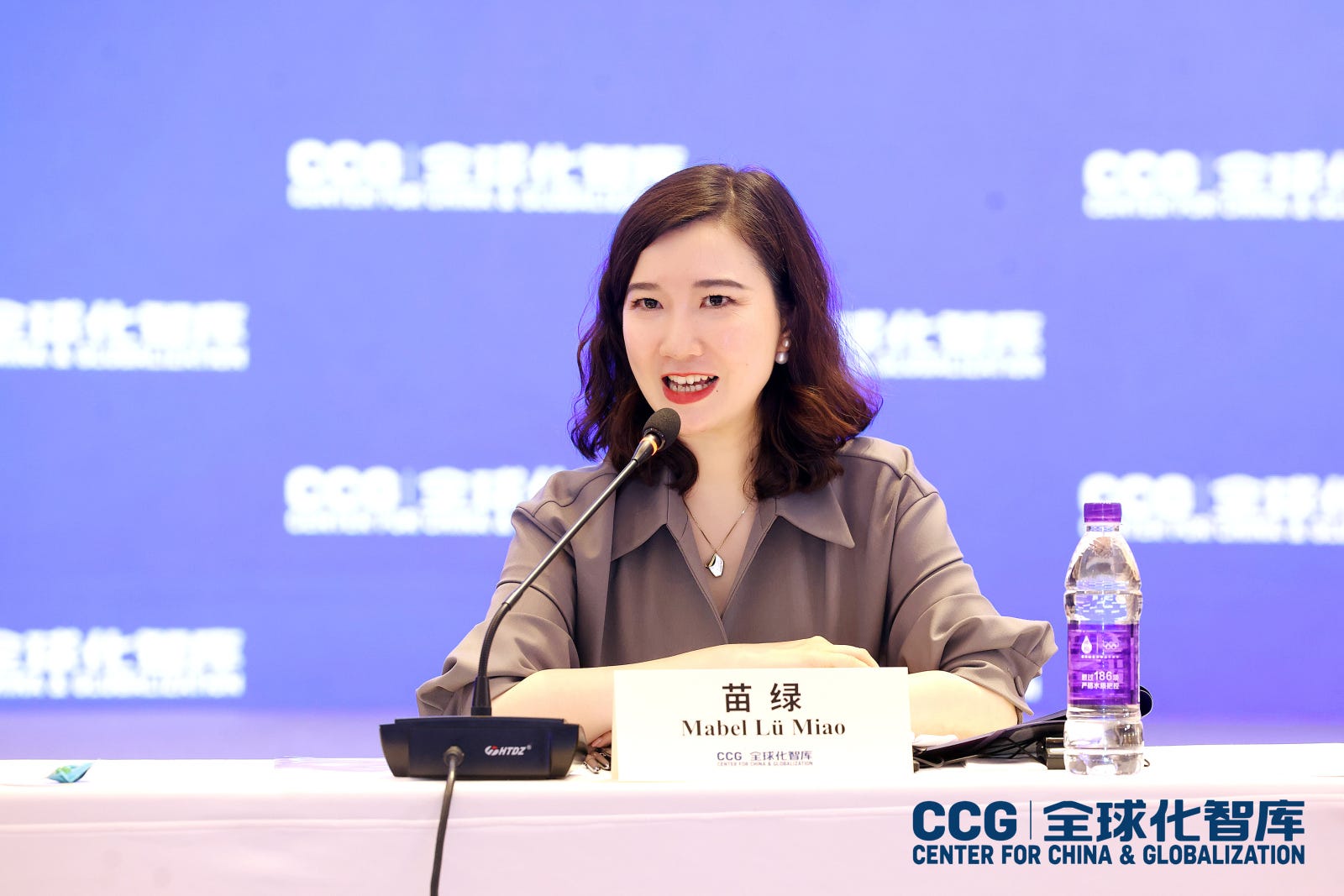
The session included speakers David Qingzhong Pan, Executive Dean and Professor of Schwarzman College, Tsinghua University; Zhang Ning, Vice President of the Chinese Society of Educational Development Strategy (CSEDS) and Chairman of the International Competence Development Committee (ICDC); Cheng Yan Davis, Founder and President of the Forum for World Education; Rza Aliyev, Chief Strategy Officer of the Nizami Ganjavi International Center; Anthony Andong Wang, Schwarzman Scholar; and John Zhanjie Zhao, Director of the Alliance of Global Talent Organizations (AGTO).


The session titled “Between Headwinds and Openings: Europe and the Next Chapter of China–Europe Relations” was moderated by Zichen Wang, Deputy Secretary General of CCG.
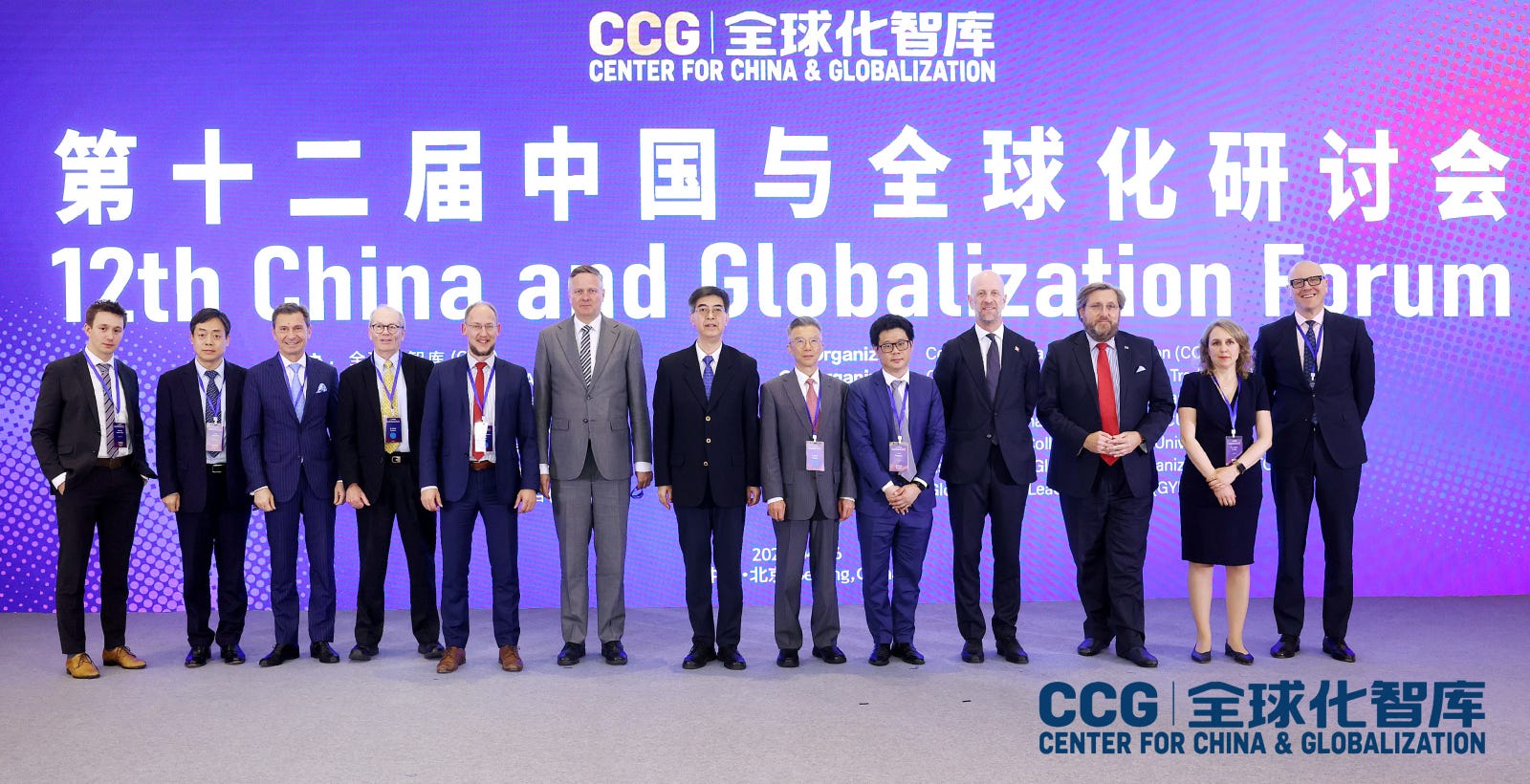
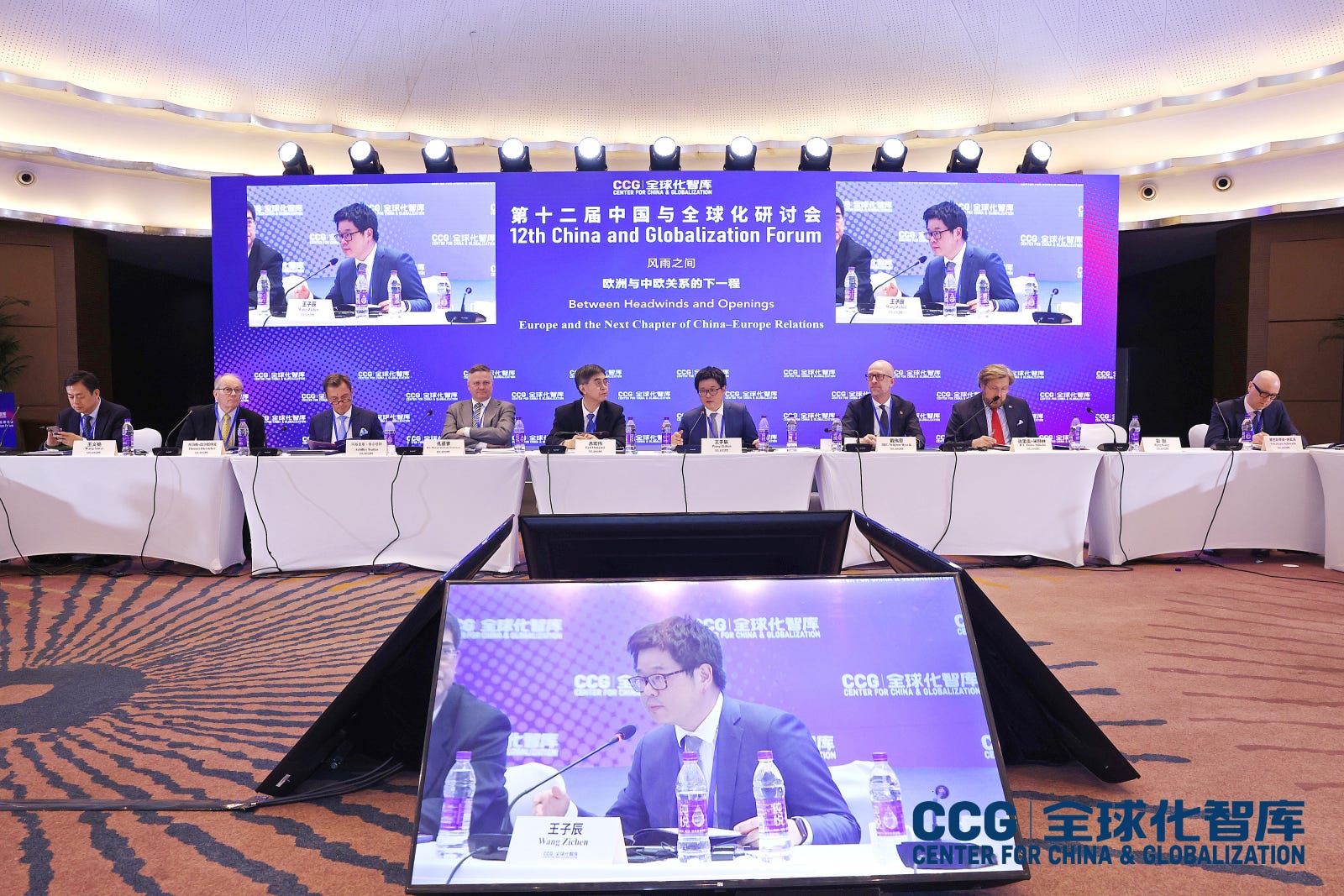
Speakers included Thomas Biersteker, Professor Honoraire at the Graduate Institute, Geneva; Michael Starbæk Christensen, Ambassador of Denmark to China; Vebjørn Dysvik, Ambassador of Norway to China; Jonathan Lehrer, Project Manager for International Affairs at Körber-Stiftung; Lu Hongwei, Director-General, Department of Eurasian Affairs, Chinese People’s Association for Friendship with Foreign Countries (CPAFFC); Dario Mihelin, Ambassador of Croatia to China; Peng Gang, former Minister at the Mission of China to the European Union; Oliver Lutz Radtke; Sebastian Schwark, CEO of SEC Newgate Germany and Senior Advisor at the Global Solutions Initiative; Ilke Toygür, Director of the Global Policy Center and Professor of Practice of European Politics at IE University; Achilles Tsaltas; and Wang Yiwei, Jean Monnet Chair Professor and Director of Institute of International Affairs at Renmin University of China.


The “The Global South: Forging Cohesion and Defining a New Era of Partnership” roundtable was moderated by Zoon Ahmed Khan, Research Fellow at CCG.
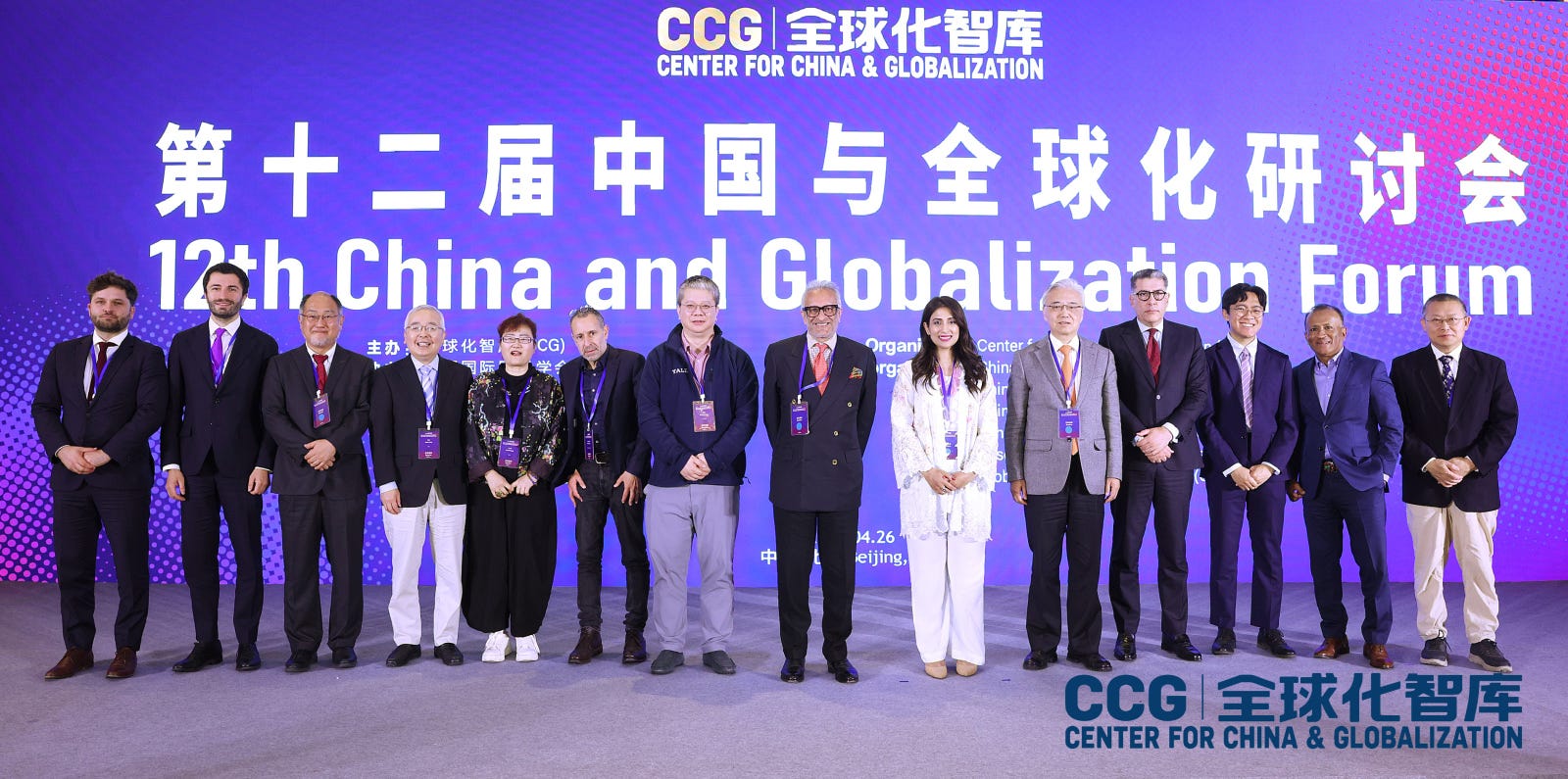
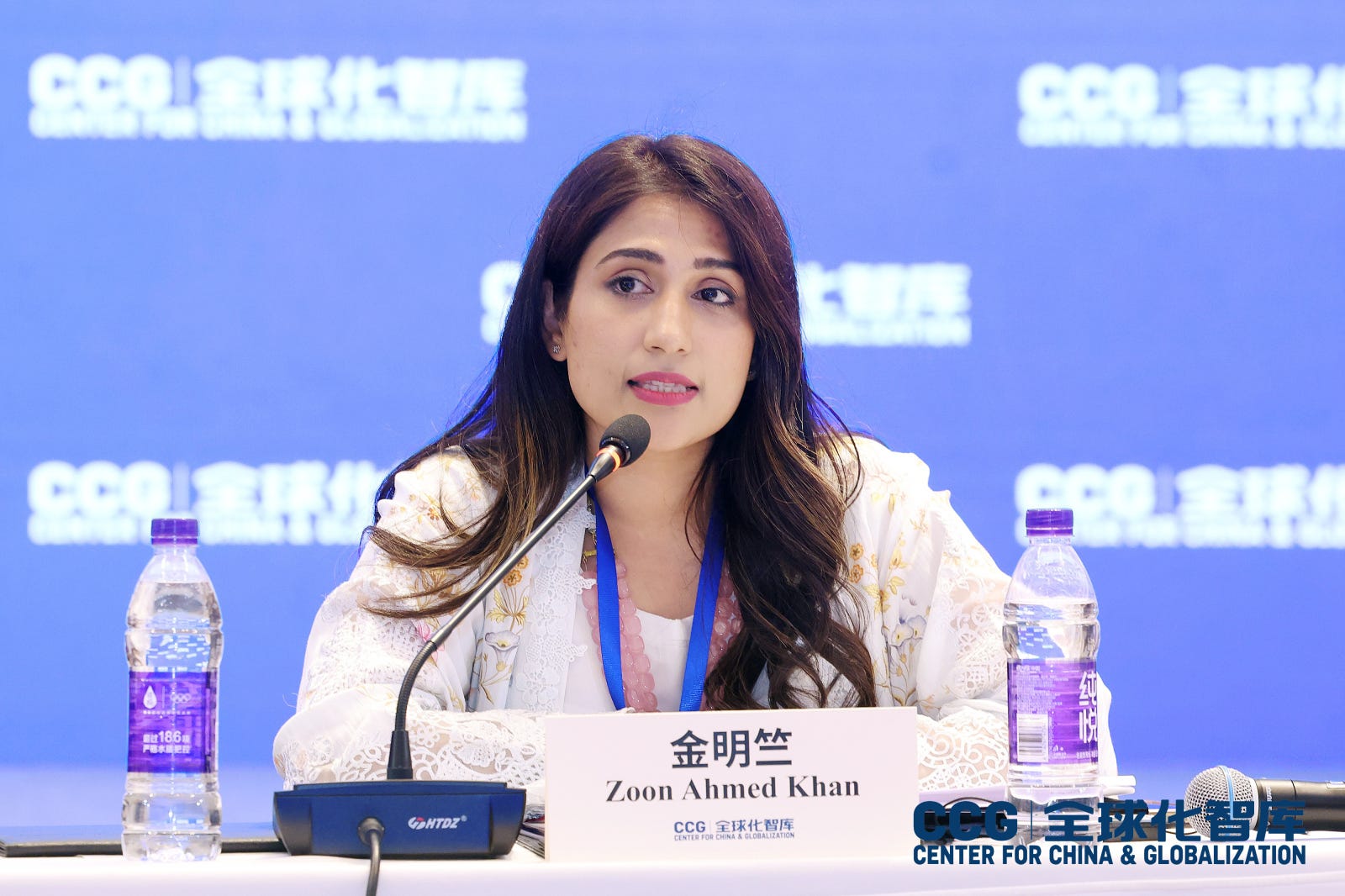
Speakers included Mohamed Amersi; Rza Aliyev; Karim El Aynaoui, Executive President of the Policy Center for the New South; George Chen, a Partner and Chair of Digital Practice at The Asia Group (TAG); He Wenping, Research Fellow at the Institute of West-Asian and African Studies, Chinese Academy of Social Sciences; Daniel Levy, President of the U.S./Middle East Project (USMEP); Chandran Nair, Founder and Chief Executive Officer of the Global Institute for Tomorrow; Niu Xinchun, Academic Vice President of Ningxia University and Executive Dean of the Institute of China-Arab Studies; Osamu Onodera, Head of the Beijing Office and Chief Representative of North East Asia for Japan External Trade Organization (JETRO); Johnsen Romero, Director of the Asia Program and a Research Fellow at the Institute for Peace and Diplomacy; Rong Ying, former Vice President of the China Institute of International Studies; Song Yaoming, Senior Fellow at CCG; and Maxime Stauffer, co-founder and Chief Executive Officer of the Simon Institute for Longterm Governance.


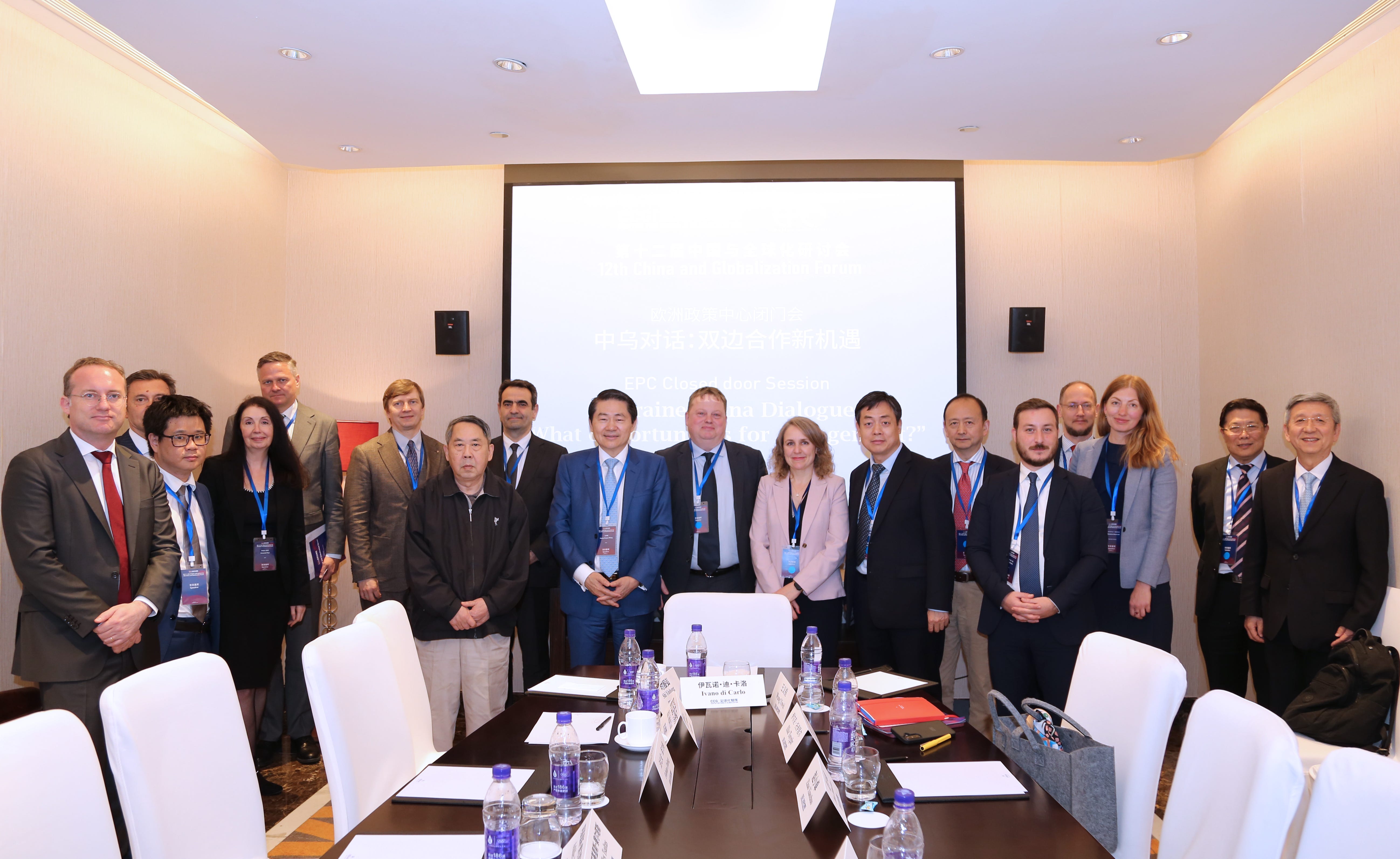
During the forum, an closed-door session titled “Ukraine-China Dialogue: What opportunities for engagement?” was also co-organised by EPC and CCG. Participants included Fabian Zuleeg; Amanda Paul, Deputy Head of Europe in the World Programme and Senior Policy Analyst at EPC; Ivano di Carlo, Senior Policy Analyst at the EPC; Hennadiy Matsak, Executive Director of Ukrainian Prism; Julia Soldatiuk-Westerweld, Senior Research Fellow, EU & Global Affairs, Clingendael; Shi Yinhong, Emeritus Professor at Renmin University of China and former Counselor of China’s State Council; Tang Min, former Counselor of China’s State Council and Vice President of CCG; Ilke Toygür; Sun Yongfu, former Director-General, Department of European Affairs, Ministryof Commerce; Zhou Bo, Senior Fellow at the Center for International Security and Strategy, Tsinghua University and former Director of the Centre for Security Cooperation in the Office for International Military Cooperation, Ministry of National Defense; Zhao Xiaozhuo, former Director of the Office of the Secretariat of the Beijing Xiangshan Forum; Wang Yiwei; Zichen Wang; and Henry Huiyao Wang.
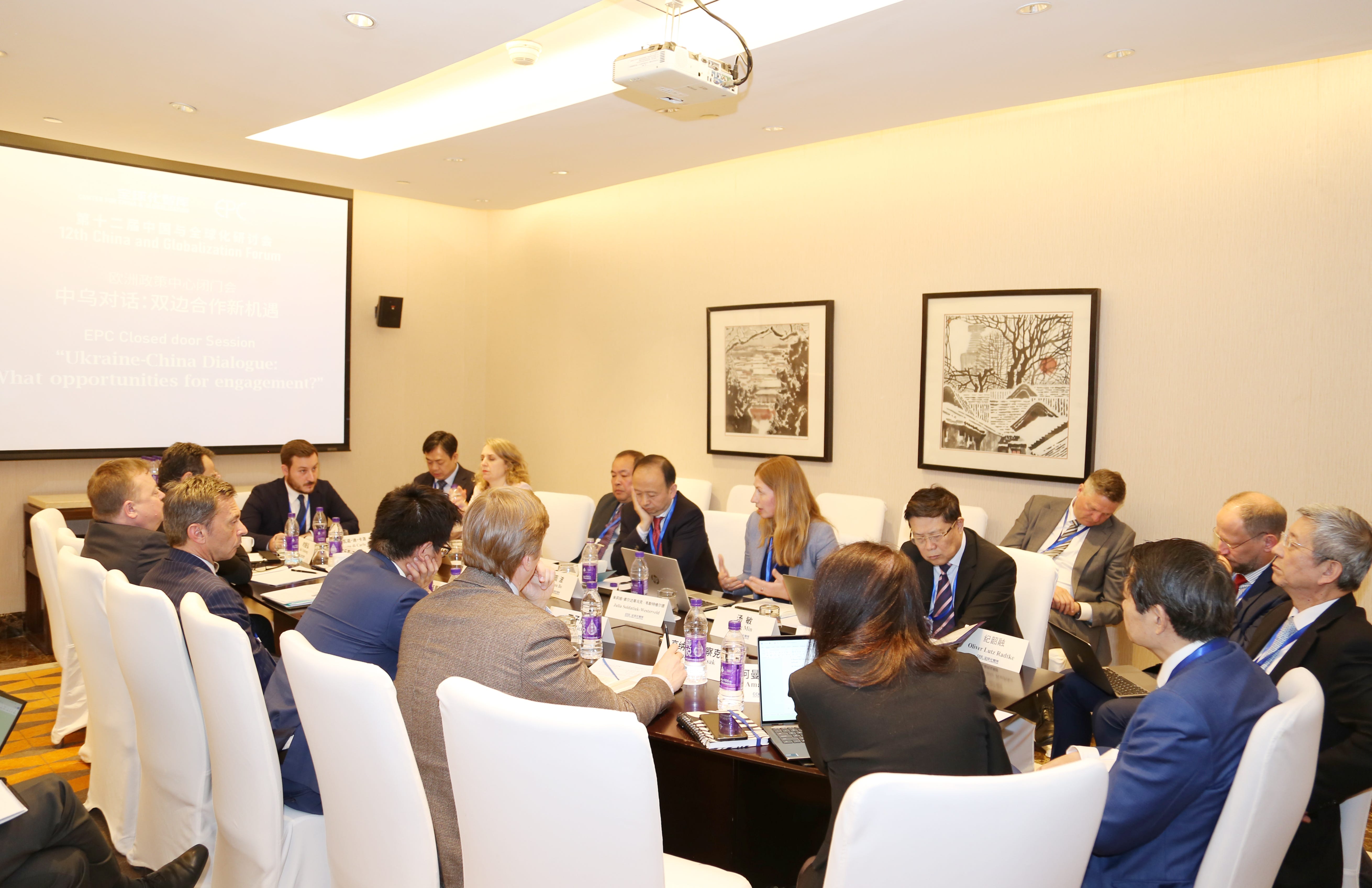
Selçuk Ünal, Ambassador of the Republic of Türkiye to China, Michael Starbæk Christensen, and Oliver Lutz Radtke attended the closed-door discussion as observers.
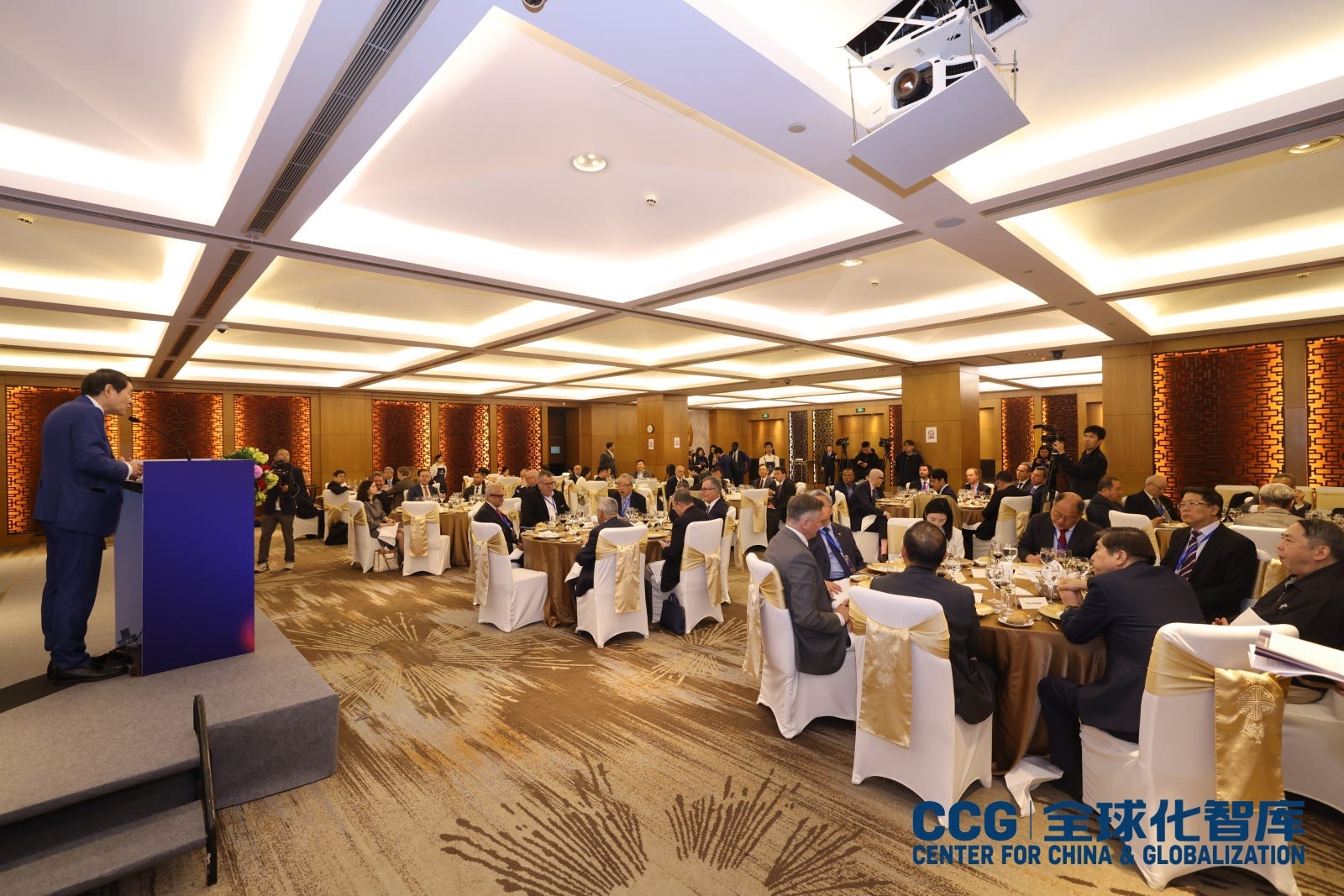
The forum concluded with a dinner discussion titled “The Middle East in Turmoil: What Lies Ahead?” The session featured a speech by Mohamed Amersi, followed by a panel discussion with Niu Xinchun, Daniel Levy, and Fabian Zuleeg, moderated by Zoon Ahmed.