

From May 31 to June 8, 2026, the Center for China and Globalization (CCG) took part in a series of think tank dialogues and policy exchanges in Germany and Belgium.
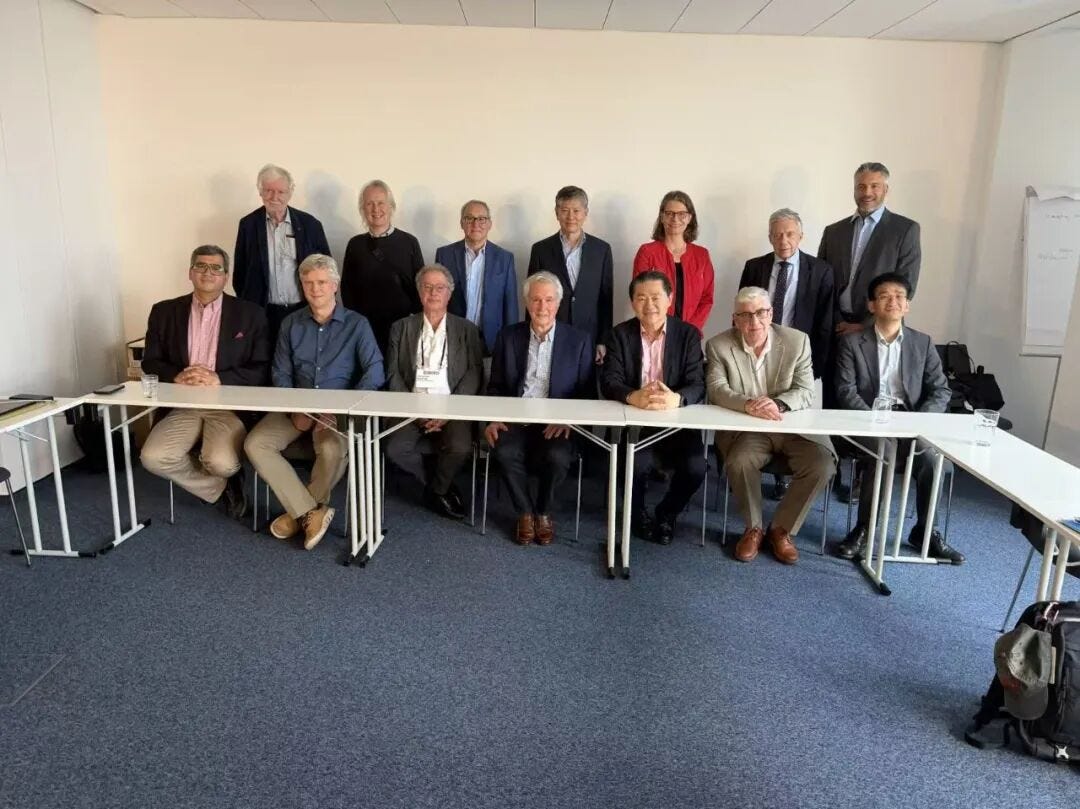
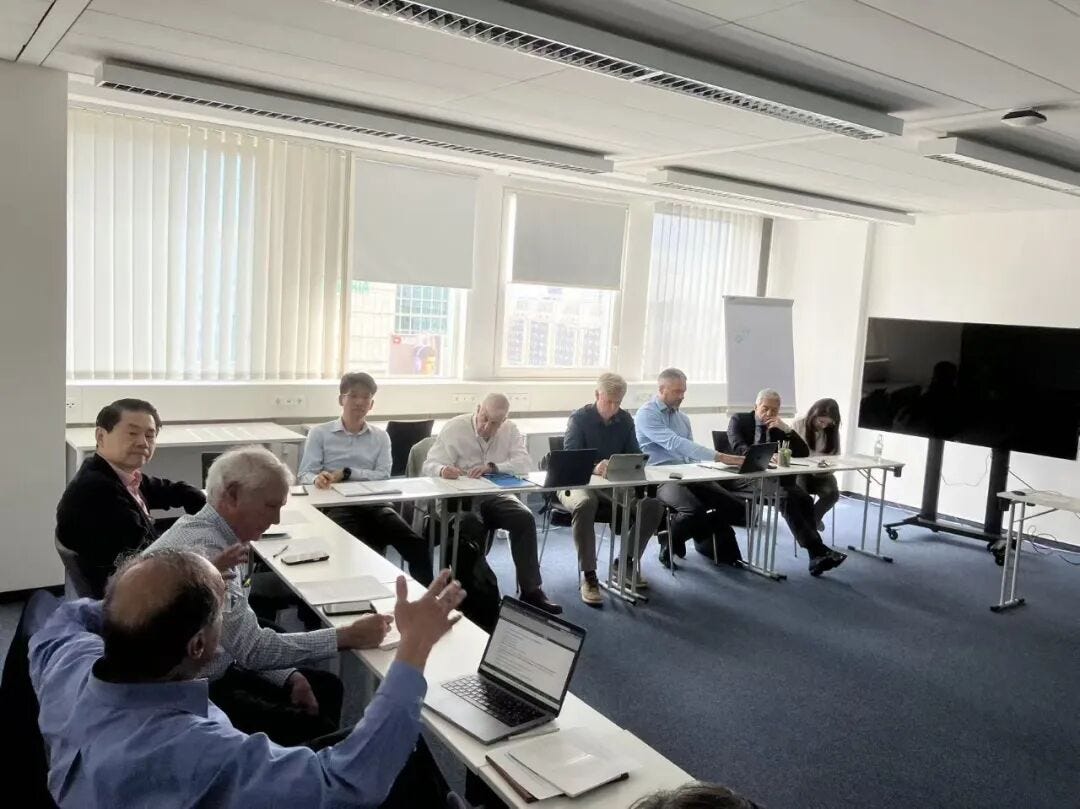
On May 31, Henry Huiyao Wang, Founder and President of CCG, attended the “CWD-CIGI-CCG-GSI Dialogue Discussion” at The Hertie School in Berlin. Co-hosted by CCG, the Council for World Dialogue (CWD), the Centre for International Governance Innovation (CIGI), and the Global Solutions Initiative (GSI), the dialogue was held under the theme “Brainstorming the Future: New Narratives for the Common Good.” More than 20 experts and policymakers from think tanks, international organisations, academic institutions, and policy communities joined the discussion.
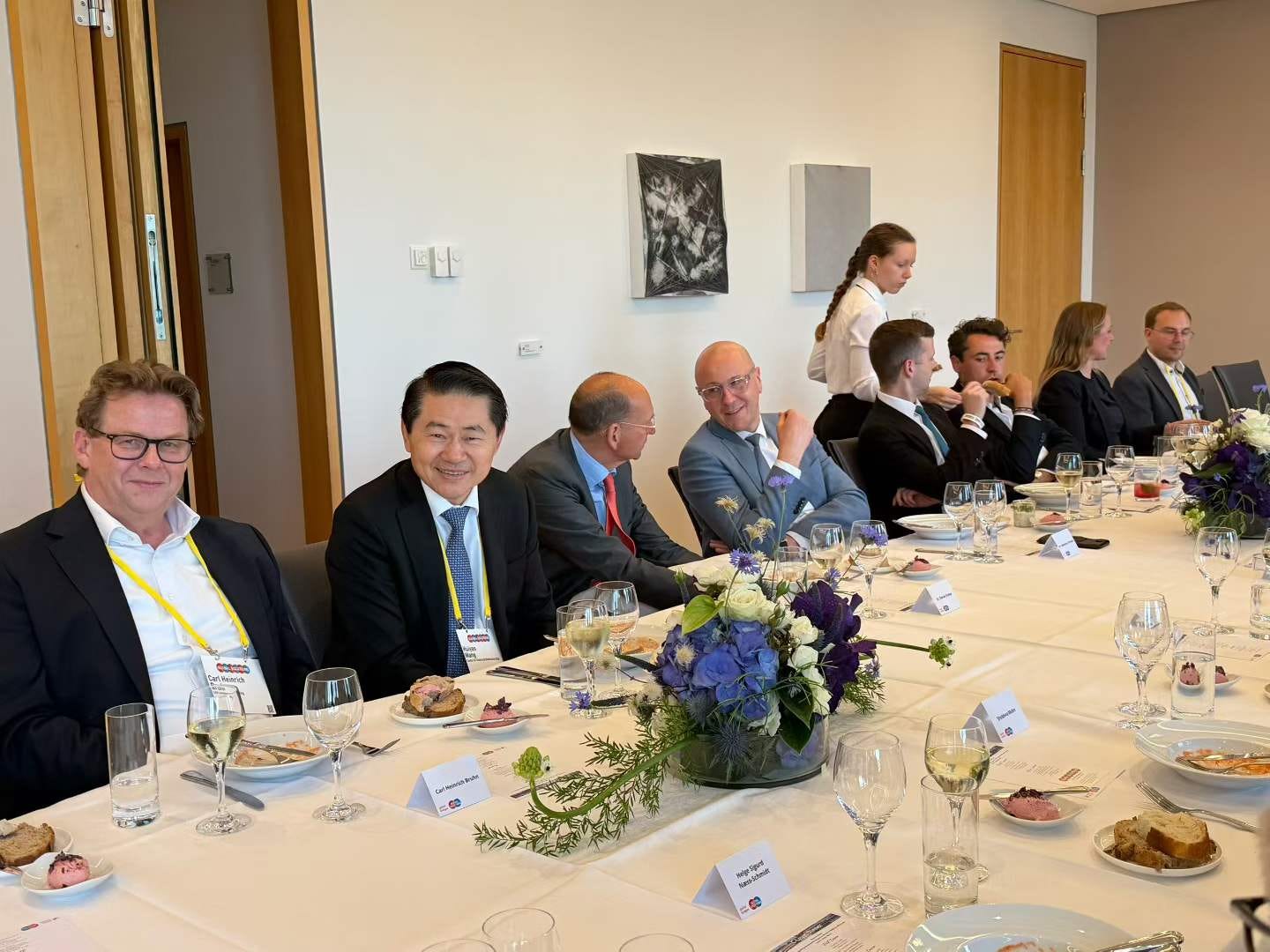
On June 1, Wang was invited to a C-level dinner discussion jointly hosted by Global Bridge and the Global Solutions Initiative at the Allianz Forum in Berlin.
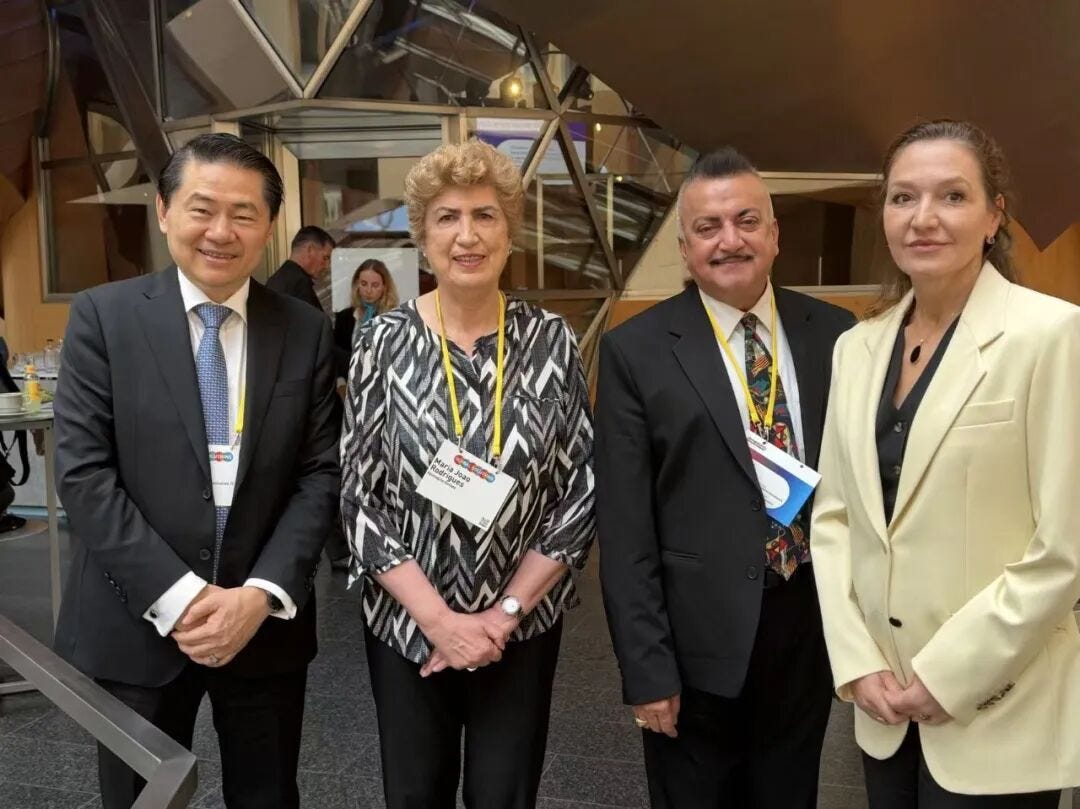
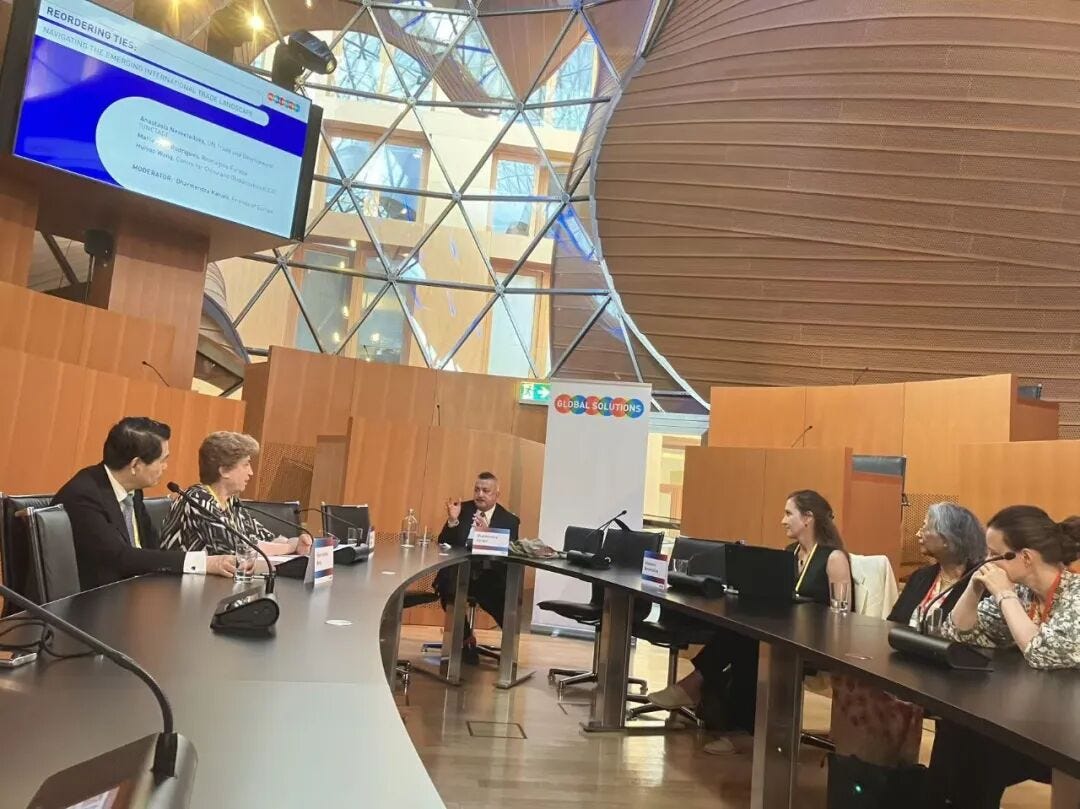
From June 1 to 2, Wang attended the Global Solutions Summit 2026 at the AXICA Convention Centre in Berlin, where he joined the panel discussion “Reordering Ties: Navigating the Emerging International Trade Landscape.”
On June 2, CCG and GSI co-hosted a roundtable in Berlin titled “The China-EU Economic Relations: Ensuring Continuity in a Challenging Landscape.” Held on the sidelines of the Global Solutions Summit 2026, the closed-door discussion focused on how China and Europe can maintain continuity, stability, and resilience in their economic relations amid a complex international environment.
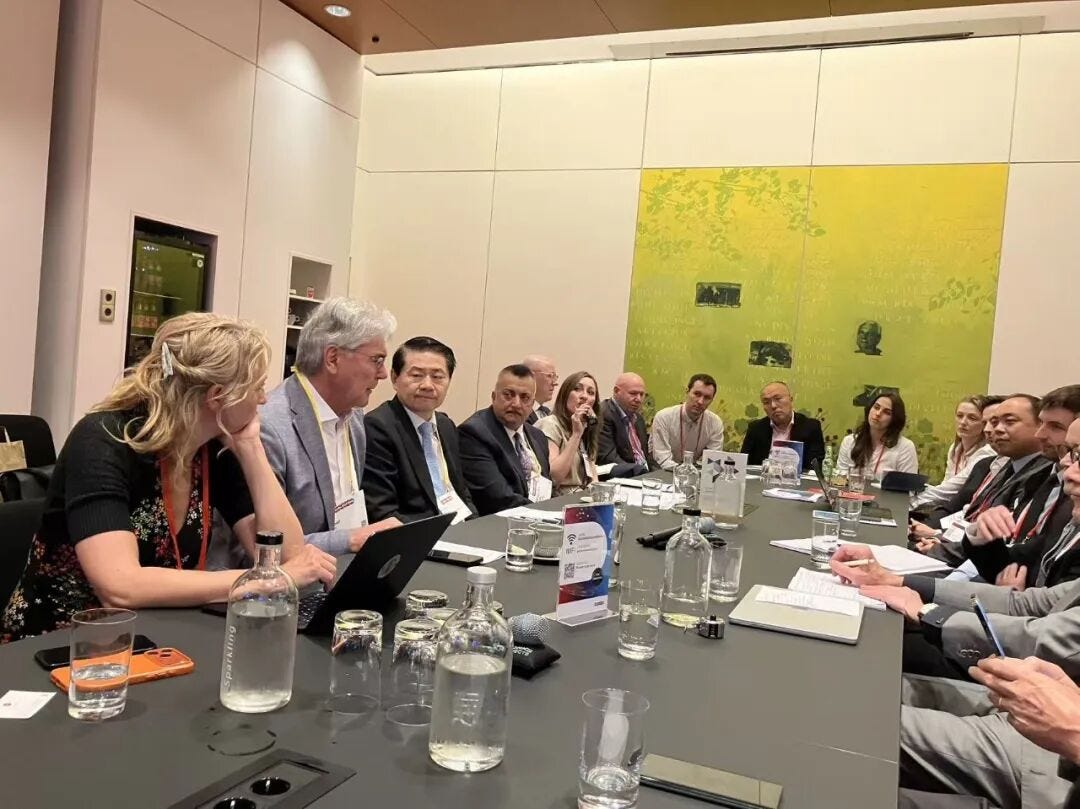
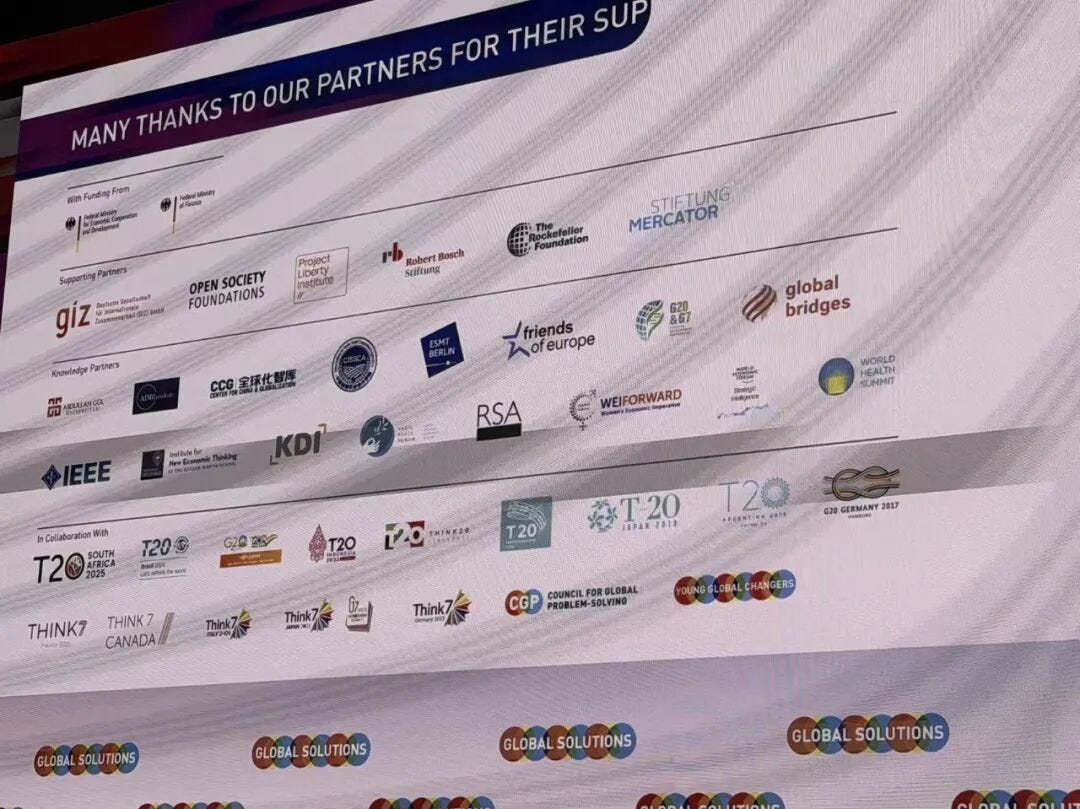
As a Knowledge Partner of the summit, CCG contributed to agenda-setting and the organisation of thematic discussions. Wang attended the roundtable and delivered opening remarks.
Also on June 2, on the sidelines of the Global Solutions Summit 2026 in Berlin, T20 U.S. in 2026, an official G20 engagement group, held a meeting with members of its task forces and advisory council under the theme “Leveraging Knowledge and Ensuring Policy Continuity in Uncertain Times.” Participants discussed annual priorities, policy research directions, and follow-up work.
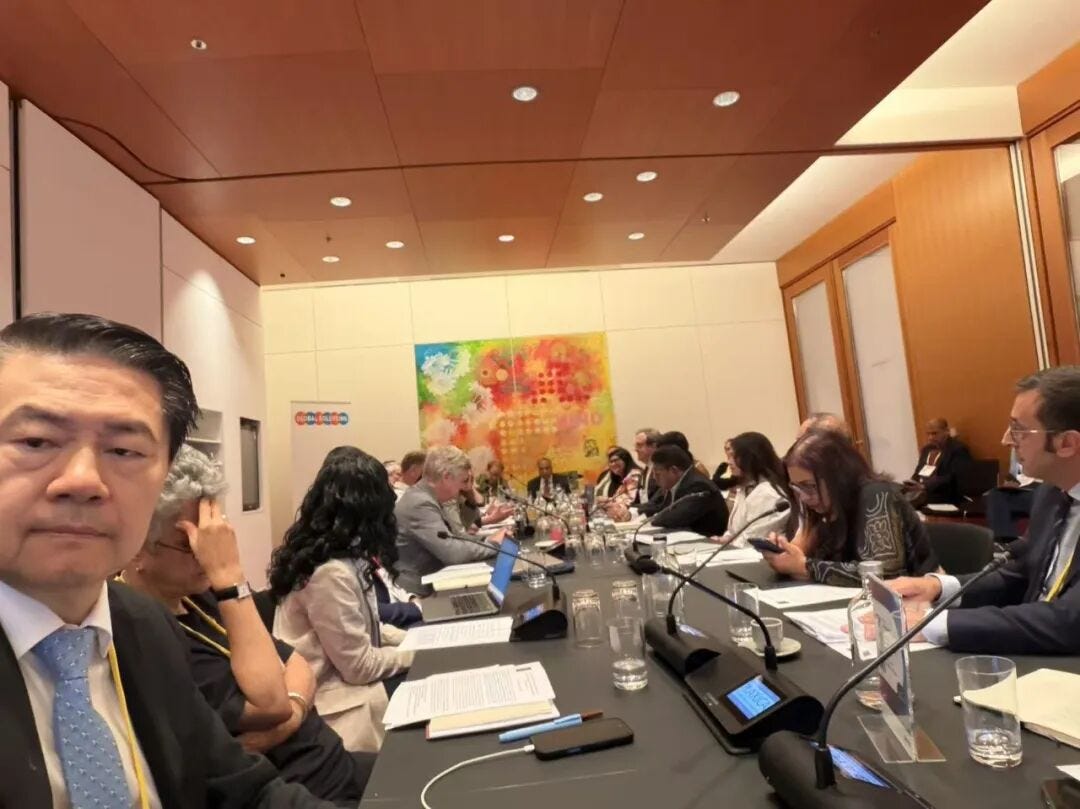
Wang was invited to join the meeting and has also been named to the Advisory Council of T20 U.S. in 2026. Wang is the only expert from China on the 2026 T20 Advisory Council.
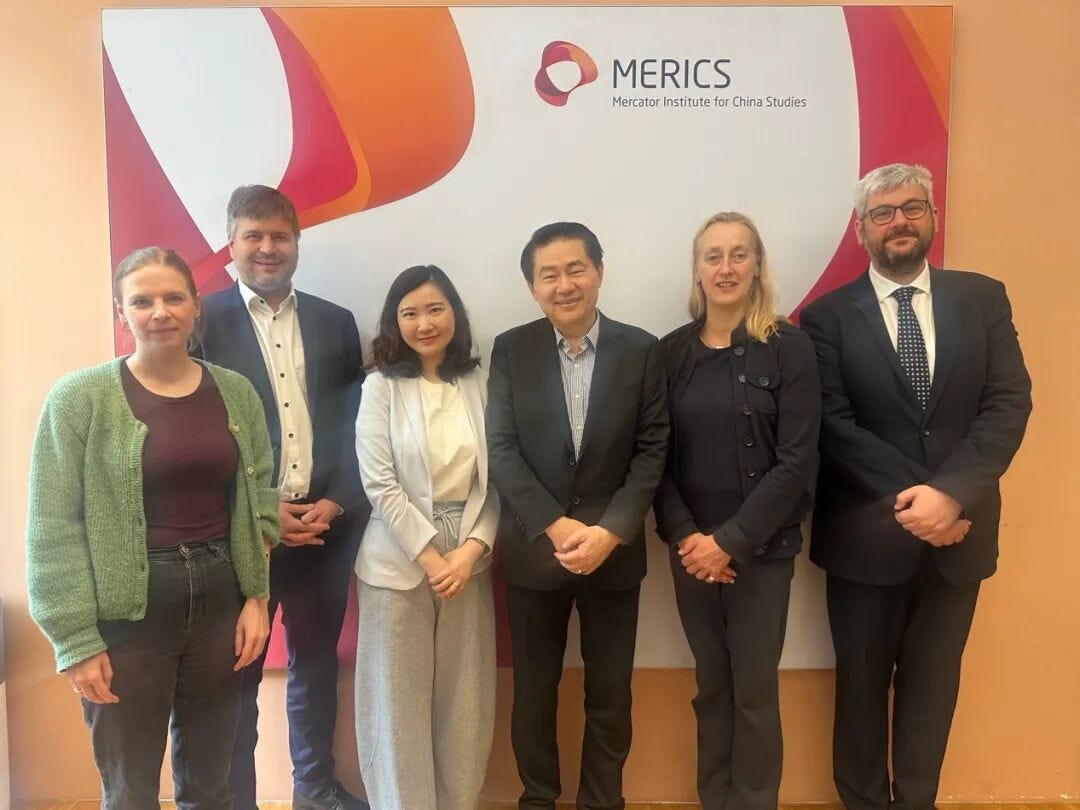
On June 3, Wang and Mabel Lu Miao, Co-founder and Secretary-General of CCG, visited the Mercator Institute for China Studies (MERICS) in Berlin and met with MERICS Director Mikko Huotari.
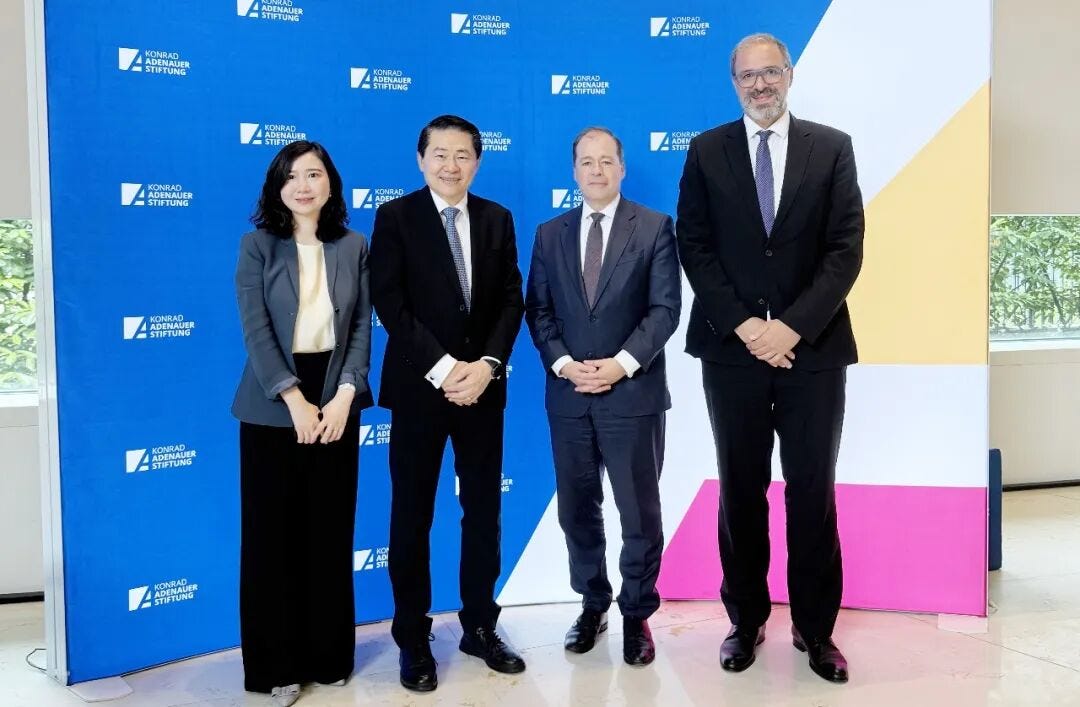
On June 4, Wang and Miao visited the Konrad-Adenauer-Stiftung (KAS) in Berlin and met with KAS Secretary General Mark Speich and Christian Echle, Head of the Department Asia and Pacific.
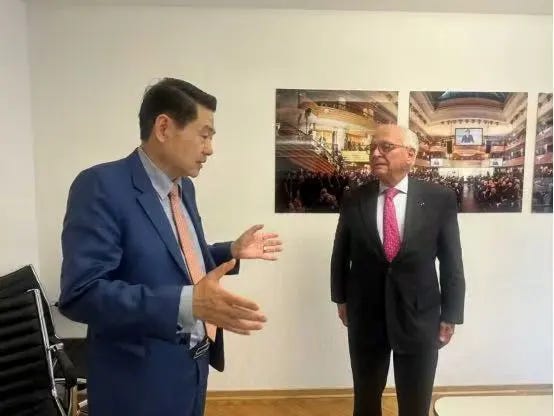
That same day, Wang visited Wolfgang Ischinger, President of the Munich Security Conference Foundation and a veteran German diplomat.
Also on June 4, Wang and Miao visited the Körber Foundation in Berlin and met with Sarah Pagung, Executive Director International Affairs and Director Berlin Office, and Clara Bredenbrock, Programme Manager Bergedorf Round Table, Political Breakfasts.
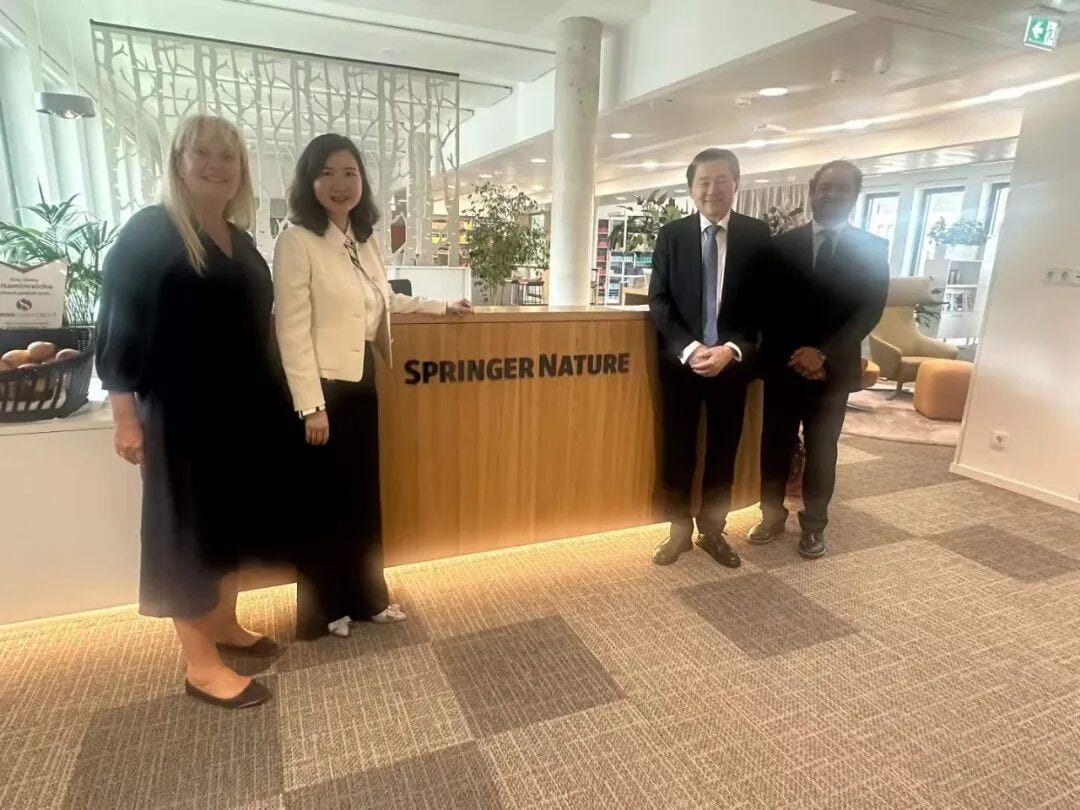
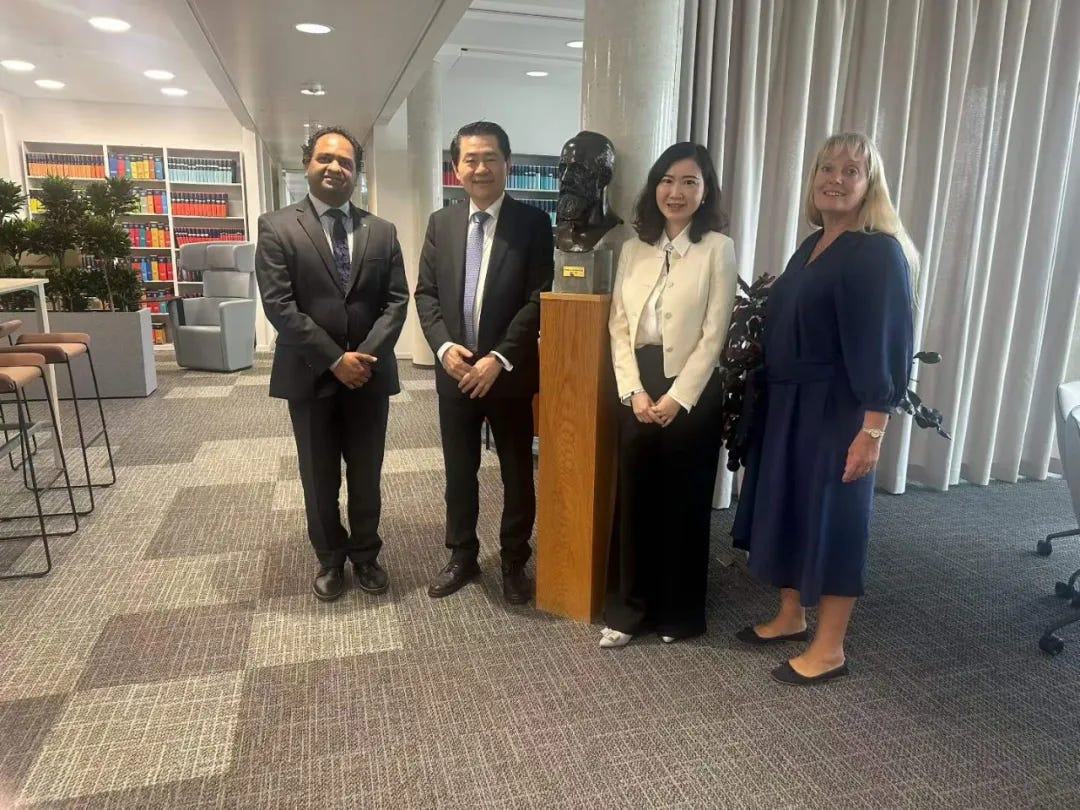
On June 5, Wang and Miao visited the headquarters of Springer Nature in Heidelberg, one of the world’s largest academic publishing groups. They were received by Executive Editors Brigitte Reschke and Prashanth Mahagaonkar.
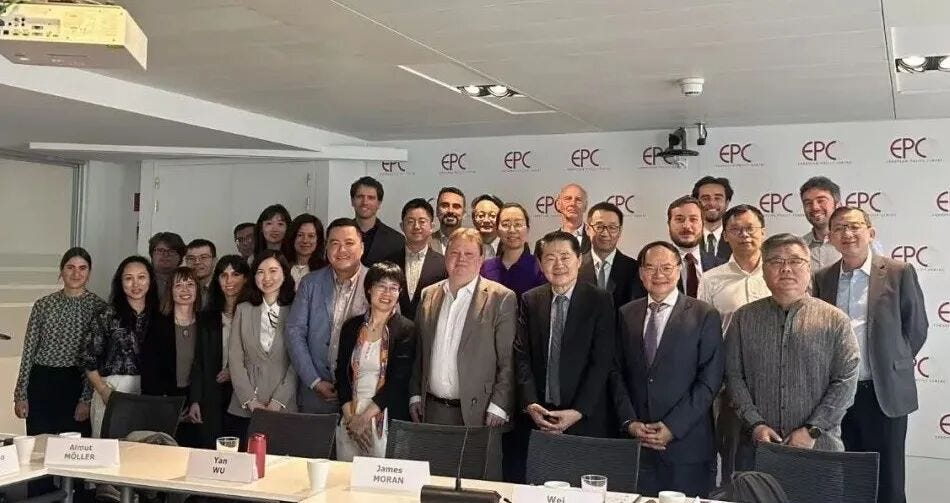
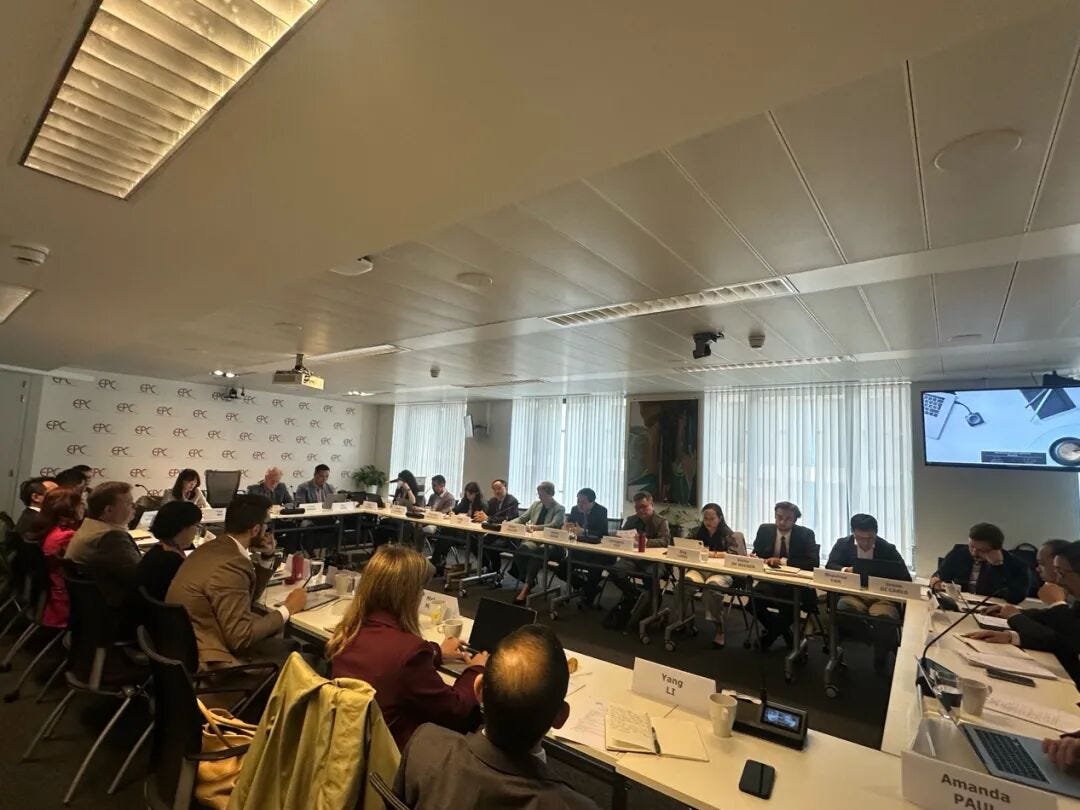
On June 8, Wang and Miao attended the final meeting of the EU & China Think Tank Exchanges programme at the European Policy Centre (EPC) in Brussels. To keep the line of dialogue open, the EPC, in cooperation with EGMONT – The Royal Institute for International Relations, the China Institute of International Studies (CIIS) and CCG, set up the EU-China think tank exchanges.
A Governance Question for the International Human Rights System
I am writing because my experience raises what I believe to be a broader question concerning governance, accountability, and the credibility of the international human-rights system.
For more than a decade, I have alleged that I have been subjected to torture, coercion, social and professional sabotage, security-related entrapment, and the systematic denial of remedies in Norway. During that time, I sought protection, investigation, accountability, and independent scrutiny through police authorities, prosecutors, courts, oversight bodies, medical institutions, human-rights organisations, journalists, and international mechanisms.
What is most striking is not only the alleged underlying conduct, but the apparent inability to secure any genuinely independent examination of the evidence despite exhausting an extraordinary range of domestic and international avenues.
What I encountered was not the absence of institutions. It was the presence of many institutions, each formally tasked with providing accountability, oversight, protection, or remedy, yet collectively unable or unwilling to independently examine the underlying allegations.
Responsibility was repeatedly transferred.
Scrutiny was repeatedly deferred.
Procedures were repeatedly invoked.
Yet the substance of the allegations remained unexamined.
This is what I describe as the accountability gap.
The issue is not merely whether individual institutions fail. It is what happens when institutions established to protect individuals from misconduct, abuse of power, and violations of rights cease to function as safeguards and instead become mechanisms through which accountability is obstructed, scrutiny is prevented, complaints are neutralised, and those seeking protection are exposed to retaliation, containment, and continued harm rather than remedy.
My concern extends beyond Norway.
Western governments, international organisations, NGOs, and human-rights bodies routinely scrutinise allegations of torture, abuse of power, and violations of international law when such allegations arise outside their own political and security sphere. Yet my experience raises a more difficult question: what happens when similar allegations concern institutions operating within states that are widely regarded as democratic, rights-respecting, and governed by the rule of law?
My concern is that institutional reputation can become a substitute for verification. Presumptions of compliance replace independent investigation. The stronger the institutional reputation, the less likely meaningful scrutiny may become.
The architecture remains intact.
The challenge disappears.
I am not asking anyone to accept my allegations as true.
I am asking whether my case warrants independent examination as a means of exploring a broader question: whether contemporary accountability mechanisms are capable of scrutinising allegations directed at state-linked actors and institutions operating within highly trusted Western democracies, including where allegations concern security-related activities and potential violations of international human-rights obligations.
If such scrutiny is not possible in practice, then the issue extends beyond any individual case. It becomes a question of institutional legitimacy, the universality of international law, and the credibility of the international accountability system itself.
The Accountability Gap