

CCG experts, in particular President Henry Huiyao Wang, have recently spoken to multiple media outlets, including The New York Times, The Washington Times, CNN, BBC, and PBS, on President Trump’s visit to China. The following is a brief summary of the interviews that have been released.
POLITIKEN, May 7, 2026
CNA, May 11
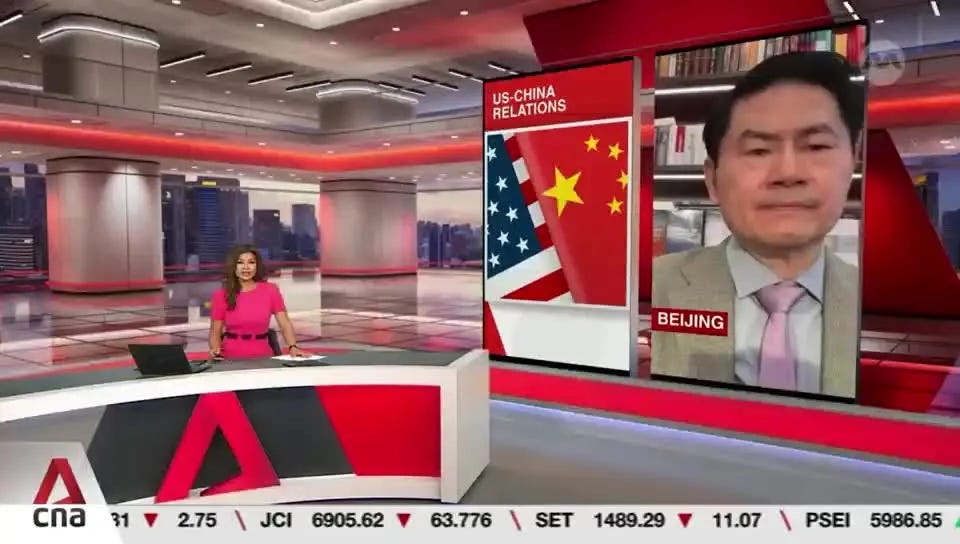
Wang Huiyao, Founder of the Center for China and Globalization, says a Trump–Xi meeting could help reset bilateral relations, reduce geopolitical uncertainty and support efforts to de-escalate conflicts, though key issues such as trade and Taiwan remain sensitive.
CNN, May 11
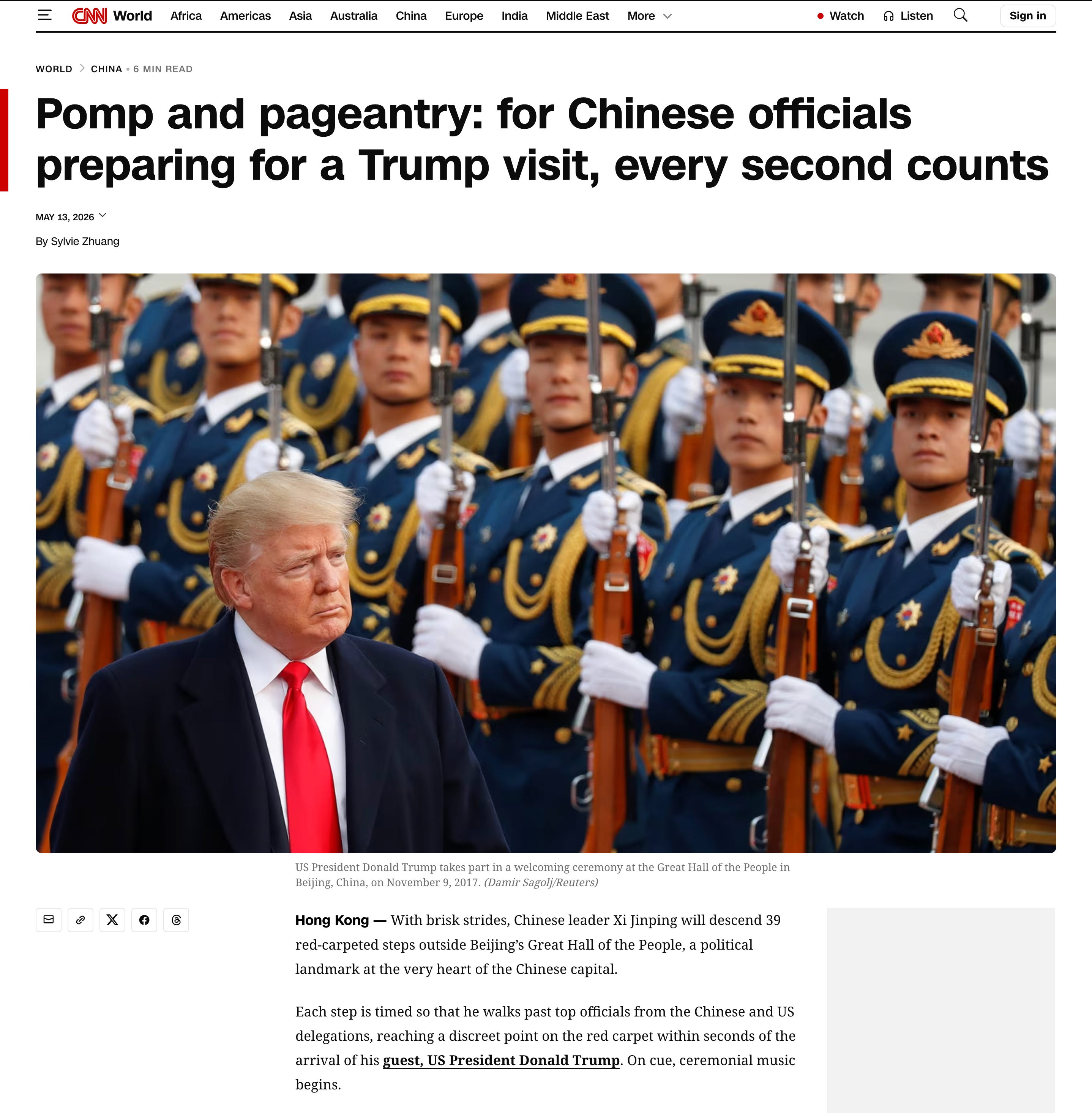
Wang Huiyao, a former counselor to China’s State Council, said the tight two-day schedule, with many issues on the table to negotiate, will make it difficult to match the spectacle of Trump’s last visit to Beijing.
“I doubt the level of ceremony or grandeur will surpass the 2017 visit,” said Wang, head of China’s semi-official think tank Center for China and Globalization.
“This time, we’re here to get down to business, and there’s a war going on.”
Al Jazeera, May 13
In an interview with Al Jazeera, Henry Wang, president of the Center for China and Globalization in Beijing, said President Donald Trump’s upcoming visit to China is “timely and significant” as the war on Iran and tensions in the Strait of Hormuz threaten the global economy.
Wang said China has strong ties with both Tehran and Gulf states, noting that 40 percent of China’s petroleum passes through the Strait and that Iranian Foreign Minister Abbas Araghchi visited Beijing last week, where Chinese Foreign Minister Wang Yi called for an end to the war and for the waterway to remain open.
Wang said both the US and Iran are “exhausted” and “stuck” with no intention to continue fighting, adding that “they need a ladder to come down gracefully” and that China could act as a “catalyst” or mediator to help end the conflict.
He rejected suggestions Beijing would use the crisis as leverage in trade negotiations with Washington, saying US policies of sanctions, trade wars and containment “don’t all work” and that the two powers now need to “coexist peacefully”.
On energy security, Wang argued China would be among the least affected countries by disruption in the Strait because 60 percent of its energy now comes from renewable sources, while it also has large reserves and alternative supplies from Russia and Central Asia.
He said Europe, Japan, South Korea and ASEAN nations are far more exposed to Gulf instability.
Wang added that China increasingly sees itself as a stabilising global force and could also play a role in efforts to end the Russia-Ukraine war.
Fox News, May 12
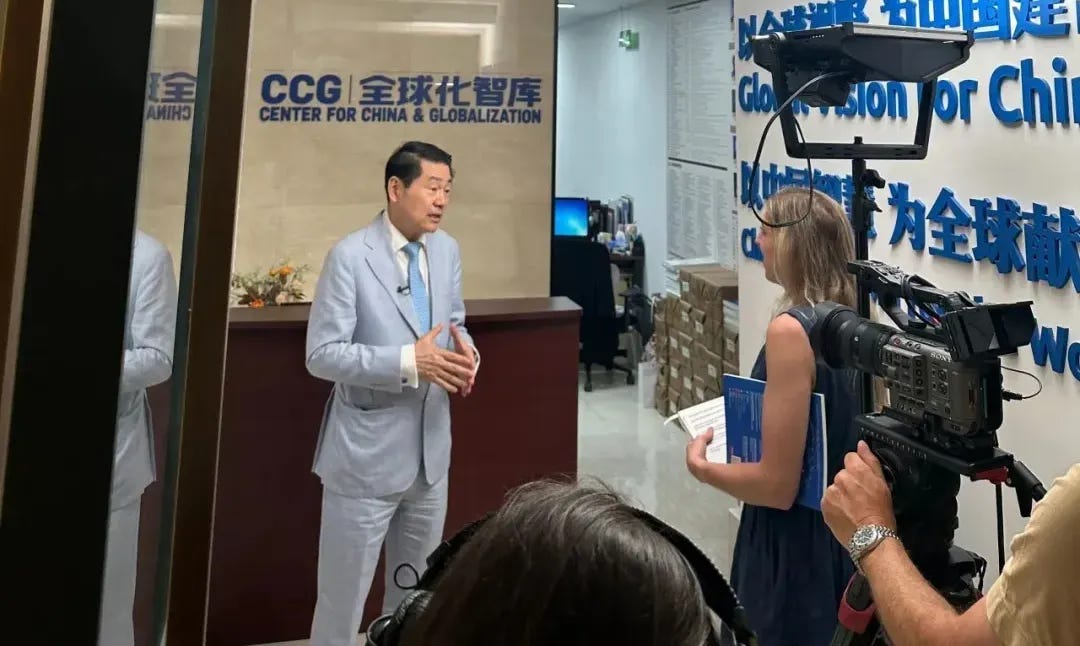
Now TV, Hong Kong, 13 May
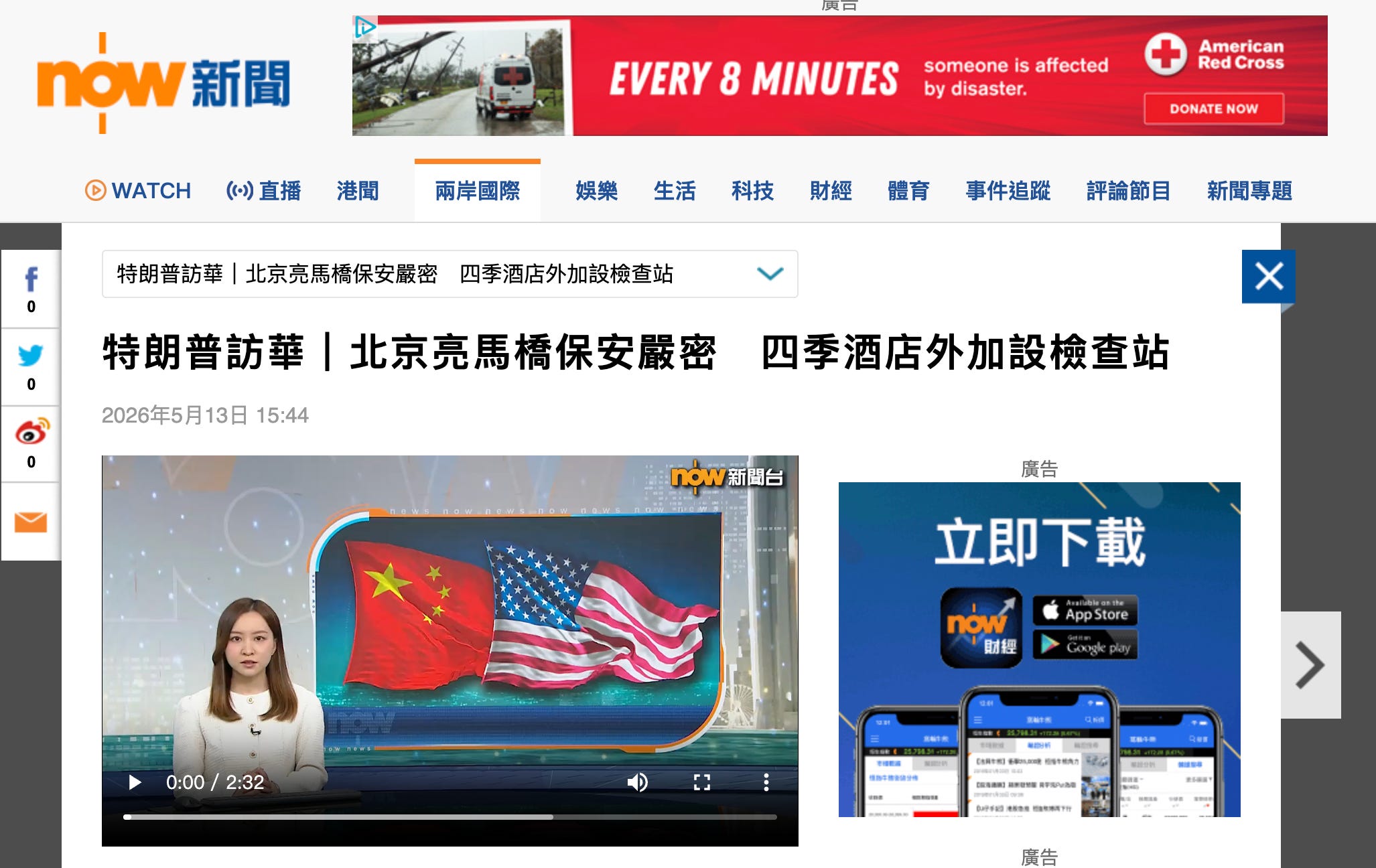
王輝耀:「(Tesla行政總裁)馬斯克跟特朗普有很多矛盾,居然也一起來,所以看得出美國總統中國之行還是很有號召力、還是很有吸引力。我們確實是,你中有我、我中有你,我們脫鈎其實是不太容易,所有大企業都有最大的生意在中國,美商會的調查就指,大部分美國企業還是會繼續在中國投資。」
Henry Huiyao Wang: “Elon Musk has many disagreements with Donald Trump, yet he still came along, which shows that a U.S. president’s visit to China remains highly influential and attractive. The reality is that our economies are deeply intertwined — you are part of us, and we are part of you. Decoupling is actually very difficult. All major companies have some of their biggest business interests in China. Surveys by the American Chamber of Commerce also show that most U.S. companies will continue investing in China.”
PBS, May 13
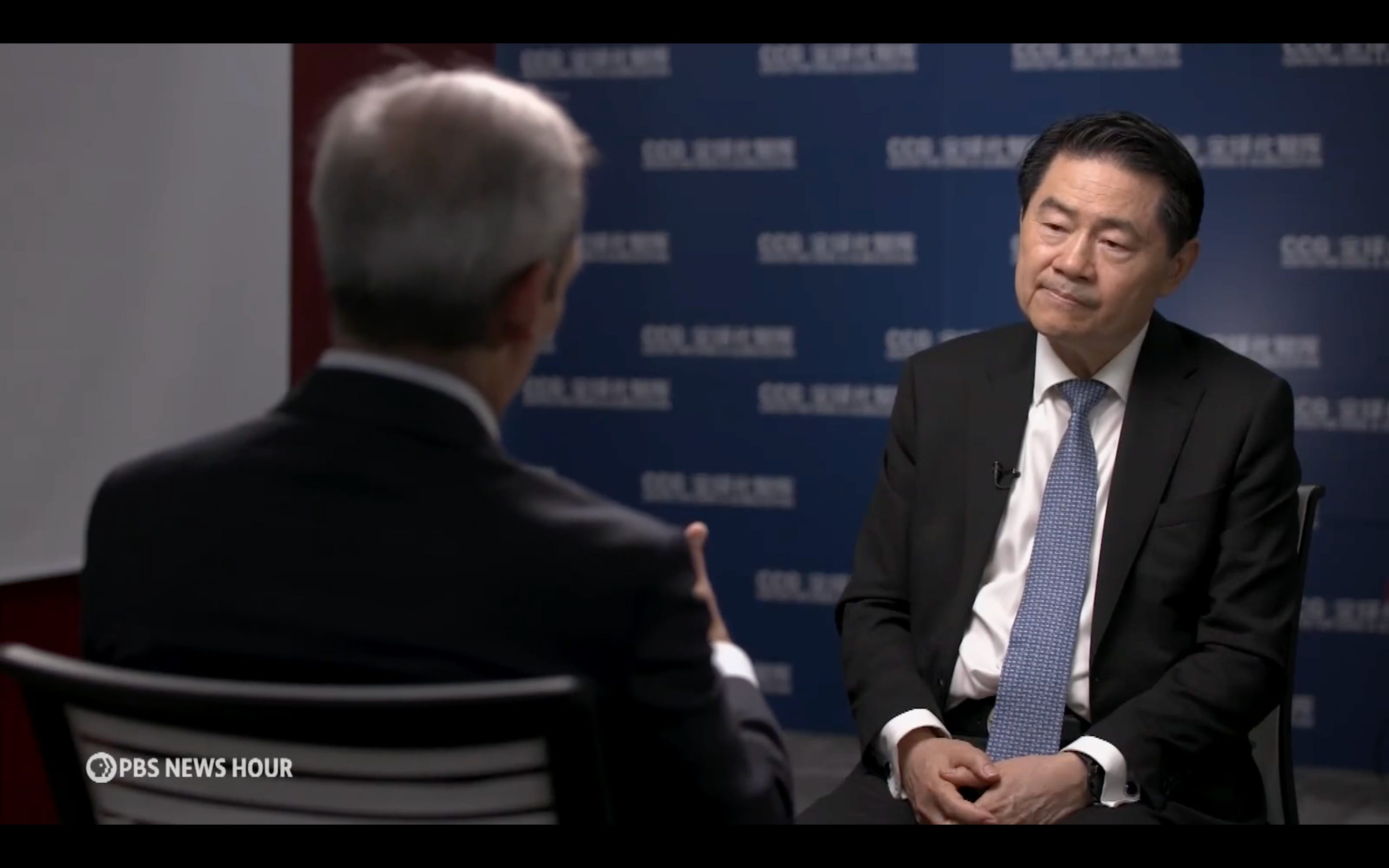
Henry Wang:
This 2026 summit is so different with the 2017 summit, because, at that time, China was not near-peer status. And China’s GDP has gone up in almost 70 percent of the U.S., and China has become a leading power on the green transition.
So I think, in that aspect, China has achieved counter-capability with the U.S. So, as I said, there’s a mutual assurance deterrence now. So we have to really find a way to work together.
Bloomberg, May 13
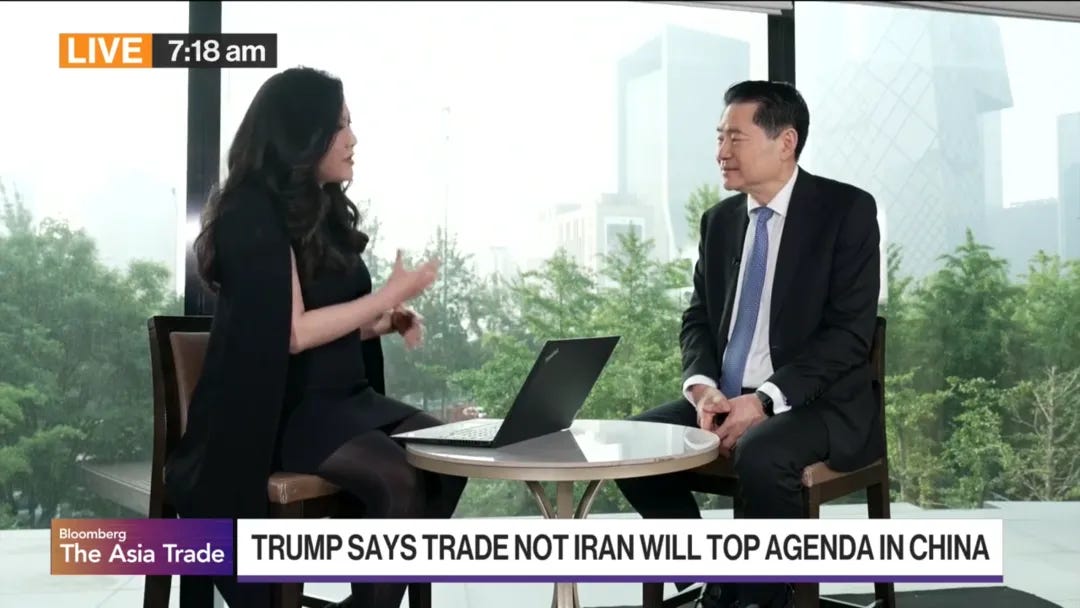
Henry Huiyao Wang Founder and President of the Center for China and Globalization (CCG) , says both Iran and the Unted States are seeking to de-escalate the ongoing conflict. He adds that China could provide a platform for both sides to “gracefully climb down the ladder” if China and U.S. can reach a consensus at the upcoming summit. Wang speaks with Haidi Stroud -Watts in Bejing on Bloomberg: The Asia Trade.
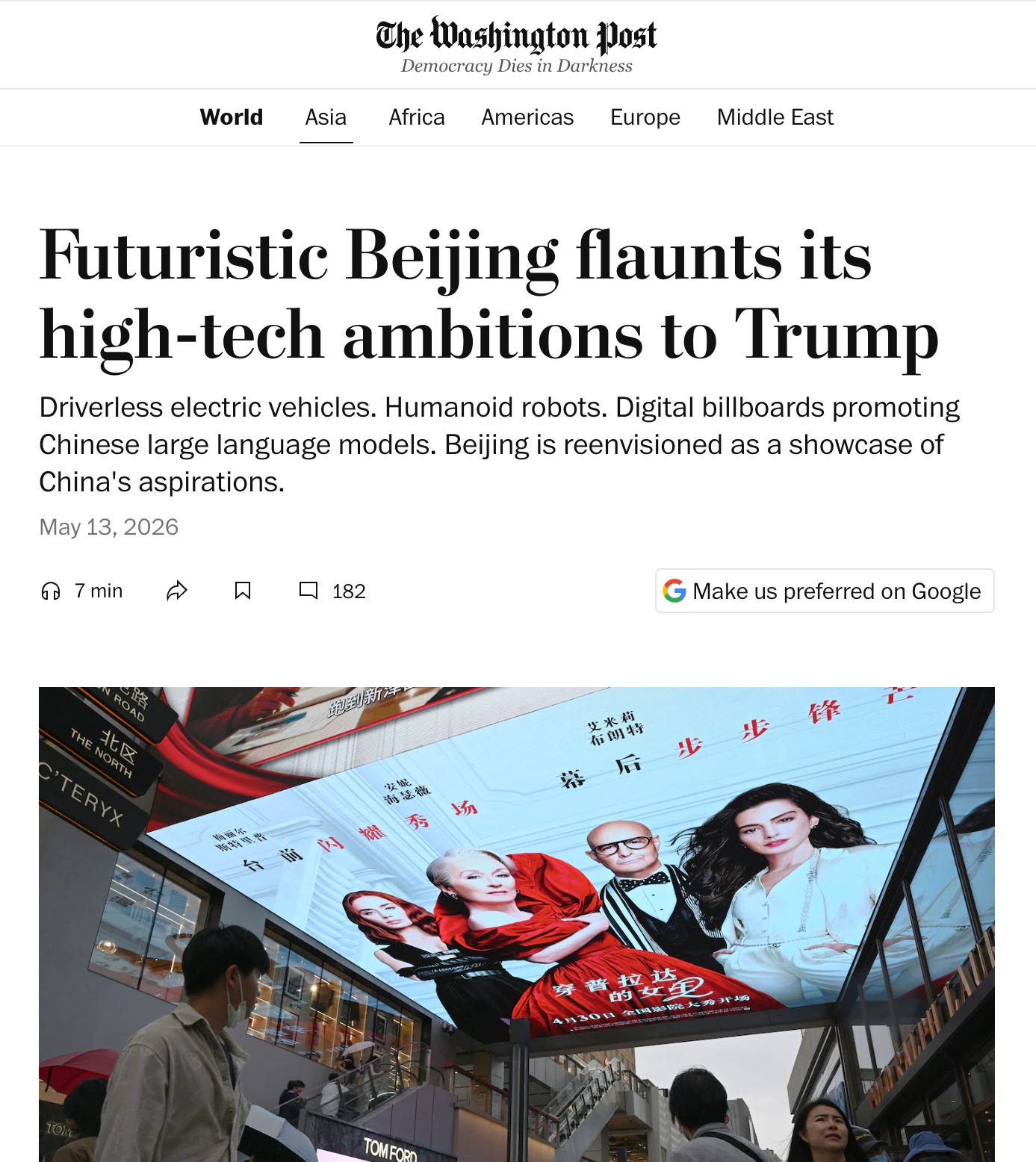
Washington Post, May 13
New York Times, May 13
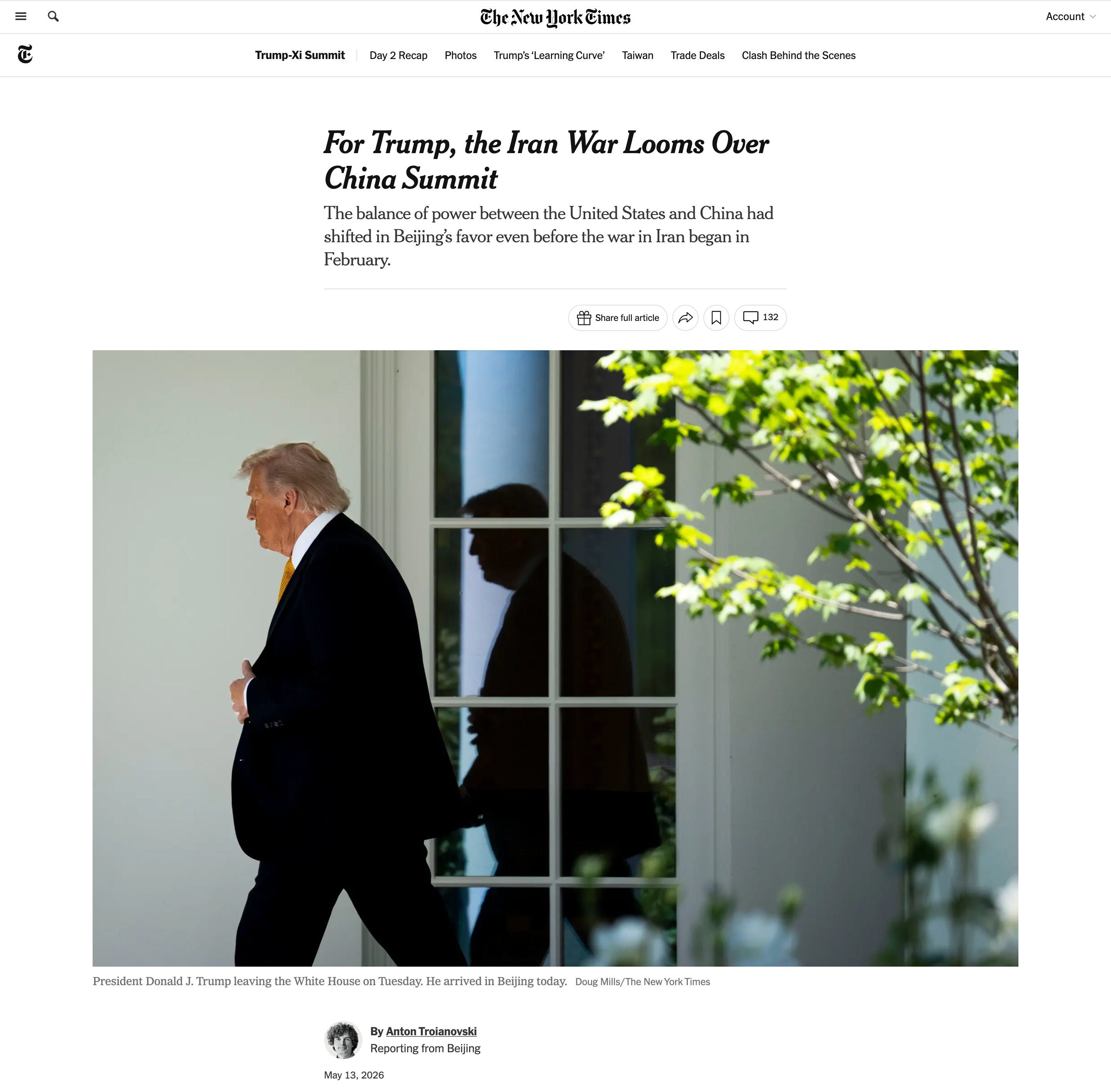
Henry Huiyao Wang, the president of the Center for China and Globalization think tank, said China could do more to help Mr. Trump secure a peace deal with Iran if the U.S. president declared that he opposed the independence of Taiwan. The official position of the United States is that it “does not support” Taiwan’s independence, a rhetorical nuance that has long irked Beijing.
“Can they send this message a little stronger?” said Mr. Wang, a former Chinese government official. “I think that can be done if they expect China to do more.” If China is to give an “extra push” to clinch an Iran deal, Mr. Wang added, “it certainly needs more encouragement from the U.S.”
New York Times, May 14
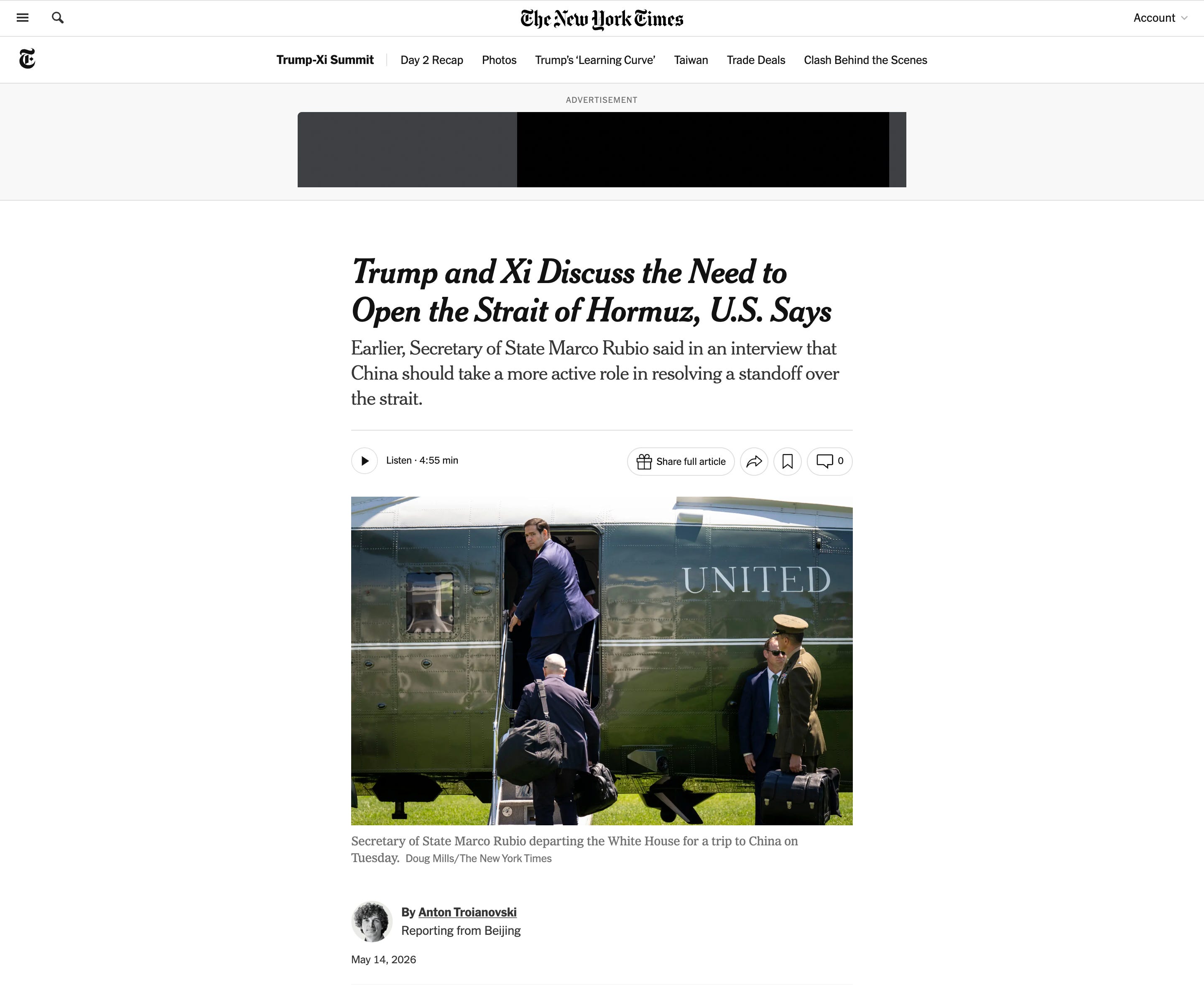
Henry Huiyao Wang, the president of the Center for China and Globalization think tank, said in an interview in Beijing on Wednesday that the United States should toughen its official rhetoric against Taiwan “if they expect China to do more” on Iran. If China is to give an “extra push” to clinch an Iran deal, Mr. Wang said, “it certainly needs more encouragement from the U.S.”
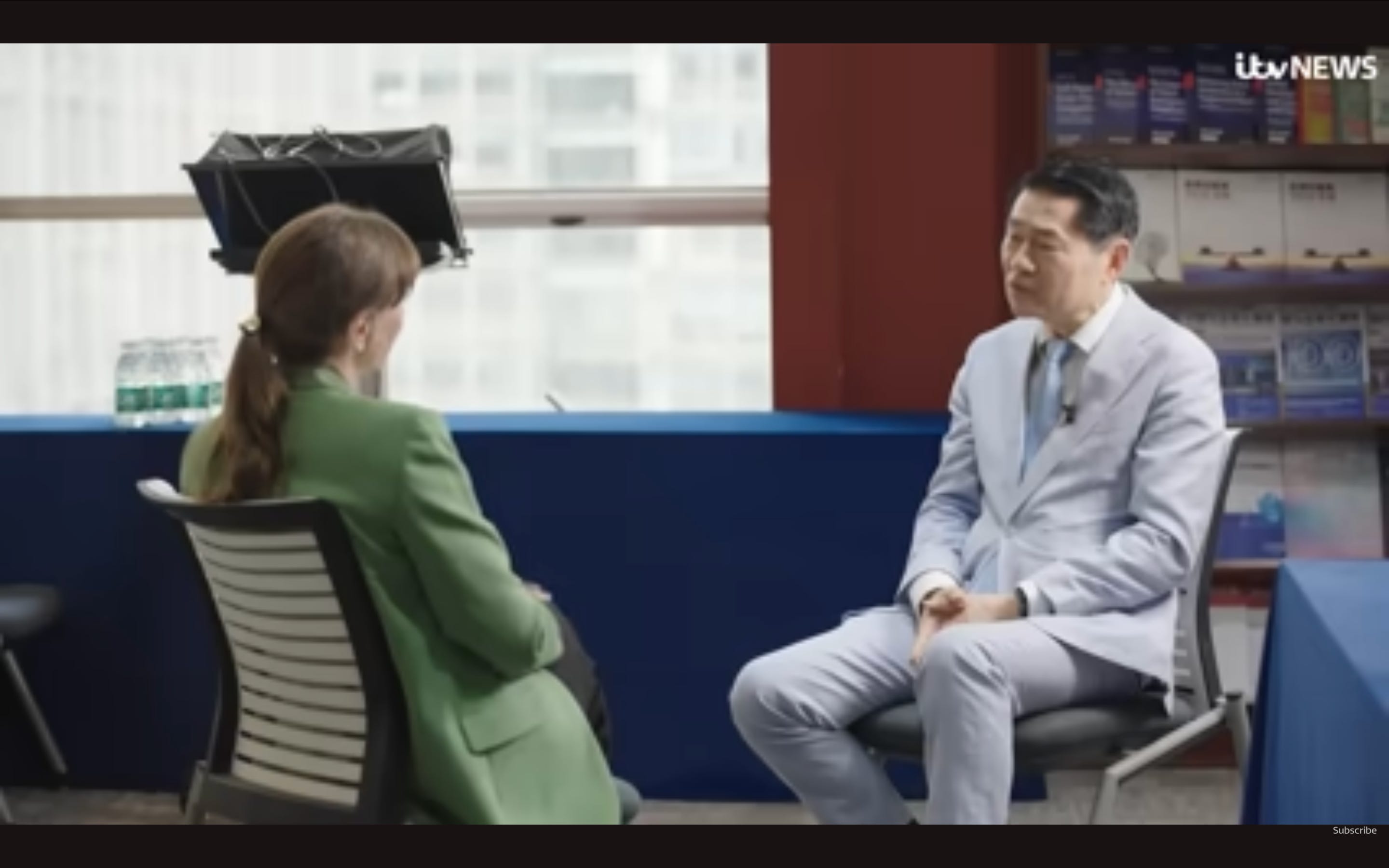
ITV News, May 14
CGTN America, May 14
The Newsmakers, TRT World, May 15
The US president is in Beijing for a high-stakes meeting with his Chinese counterpart Xi Jinping. Everything from trade and technology to the future of Taiwan and Iran is on the agenda during the first visit to China by a sitting US president in nearly a decade. The talks are also set to address Tehran’s effective blockade of the Strait of Hormuz, with Washington potentially seeking Beijing’s leverage to help reopen the key waterway.